
Posted by Richard G. on Oct 8th 2026
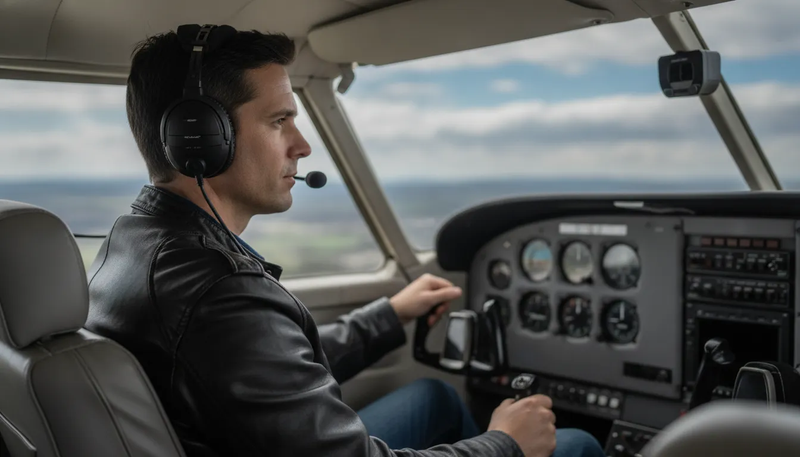
A premium aviation headset should earn its place in the flight bag through quieter cockpit work, clear communications, and comfort that holds up after the first hour. The Bose A30 is built for pilots who want to evaluate those details. It is not just a brand-name purchase.
Get the Bose A30 aviation headset from Marv Golden.
For Marv Golden shoppers, this bose a30 aviation headset review finds a feature set aimed at serious cockpit use: active noise cancellation with three levels, Bluetooth connectivity for mobile devices, and a comfort-focused design. Whether it is worth the premium depends on your aircraft, mission, fit preferences, and how often you fly. Read the full guide before choosing.
Before weighing long-flight comfort or wireless features, it helps to establish exactly what comes in the headset and which specifications affect daily use. That foundation makes the value question much easier to answer. Start with Marv Golden's Aviation Headset Comparison and Buying Guides for Every Pilot Stage for broader buying context.
What This Bose A30 Aviation Headset Review Finds in the Specs
For pilots comparing premium headsets, the Bose A30 combines active noise cancellation, adjustable noise-control settings, and Bluetooth connectivity in one aviation-focused system. Marv Golden's practical view is simple: the important question is whether those features match your aircraft, mission, and communication needs. The A30 is worth examining as a complete cockpit tool, not just as a list of headline features. For broader context, see Marv Golden's Aviation Headset Comparison and Buying Guides for Every Pilot Stage.
| Specification | What it means in practice |
|---|---|
| Active noise cancellation | The A30 is designed to reduce cockpit noise through active noise cancellation. |
| Noise-cancellation levels | Three levels let the pilot select the setting that best suits the flight environment. |
| Bluetooth | Wireless connectivity supports pairing with compatible mobile devices. |
| Battery rating | Approximately 45 hours using two AA batteries, based on the published rating. |
| Certification | The manufacturer product information identifies FAA TSO and EASA E/TSO-C139a certification. |
The core specification is the active noise cancellation system. Bose lists three ANC levels rather than a single fixed setting, which gives pilots some control over how the headset manages cockpit sound. That flexibility can matter when moving between different aircraft or operating conditions, although the best setting remains dependent on the individual cockpit and the pilot's preferences. Noise reduction does not replace a proper fit or good communication habits.
Bluetooth adds a practical connection for a mobile device, such as handling a call or listening to approved audio when the flight situation allows. It is best treated as a secondary convenience, not as a substitute for the aircraft's primary radio communication system. The two-AA battery design also keeps power planning familiar. The approximately 45-hour figure is a rating, not a promise that every set of batteries will last the same amount of time in every use pattern, so carrying spares remains sensible.
Connector choice deserves attention before purchase. The A30 supports common aircraft plug configurations, but aircraft wiring and headset connections are not interchangeable by assumption. Verify the connector option required by your aircraft, especially when buying for a mixed fleet, a flight school, or a replacement headset. For the current product configuration, review the Bose A30 aviation headset listing and confirm fit guidance before ordering.
In short, the A30's specification sheet points to a premium headset built around configurable noise control, mobile-device connectivity, replaceable AA power, and stated aviation certification. Those are useful capabilities, but the right choice still depends on the aircraft connector and how the headset will be used.
How Does the Bose A30 Perform in Real Flying?
Marv Golden's view: The Bose A30 is designed to make cockpit noise less intrusive while preserving clear crew communication. Its three active noise cancellation modes let pilots choose the setting that suits the aircraft and situation. Performance still depends on a proper seal, correct adjustment, and realistic expectations. It is a noise-management tool, not a guarantee of hearing protection.
The A30's active noise cancellation is intended to reduce cockpit noise, which can make radio work and cockpit conversation less fatiguing in a loud aircraft. Bose does not position ANR as a substitute for a good fit or sensible hearing-conservation practices. The FAA's Flight Standards Service Hearing Conservation Program provides guidance for protecting personnel from hearing loss and recognizes the importance of managing aviation noise exposure for crew performance and health. FAA hearing conservation guidance offers the appropriate safety context.
Three ANR modes for different cockpit conditions
The A30 provides three levels of active noise cancellation. That flexibility matters because not every flight has the same acoustic environment. A pilot may prefer stronger noise reduction during sustained engine noise, while a different setting may feel more natural during ground operations, instruction, or periods when greater awareness of the surrounding cockpit is useful. The right choice is personal and aircraft-dependent. The presence of selectable modes does not mean one setting will be ideal in every airplane.
In practical use, start with the headset adjusted and seated correctly before judging the ANR. Listen for normal radio clarity, monitor intercom conversation, and check that important alerts and instructions remain easy to hear. Noise reduction should support communication, not encourage a pilot to turn audio down so far that relevant information becomes harder to detect. The A30's noise-canceling design is intended to reduce cockpit noise, but pilots remain responsible for maintaining situational awareness and following aircraft operating procedures.
Run a simple cockpit evaluation
- Confirm the connector, ear-cup seal, microphone position, and control settings on the ground.
- Listen to radio and intercom traffic at a normal level, then check speech clarity during representative engine noise.
- Try the available ANR levels only when doing so is safe and consistent with your aircraft procedures.
- After landing, note comfort, seal stability, battery status, and any adjustments you made during the flight.
Fit determines how much benefit you receive
Fit is not a minor comfort detail. The FAA notes that headset fit and attenuation affect effective hearing protection, so the ear cushions should sit evenly around the ears without gaps. Adjust the headband until the earcups seal consistently, then position the microphone for reliable voice pickup. Hair, eyewear, headset placement, and individual head shape can all affect the seal. If the headset shifts when you move your head, correct the fit before concluding that the ANR is underperforming.
There are limitations worth keeping in view. The A30 is not a promise of silence, and it does not eliminate every cockpit sound. Aircraft type, engine configuration, cabin condition, seal quality, and personal hearing all influence the experience. This review describes the design and sourced guidance, not personal flight testing. Pilots comparing headset options can use Marv Golden's aviation headset buying guides to assess fit, aircraft use, and communication needs before choosing.
Bluetooth, Controls, and Battery Life
Marv Golden's take: The Bose A30 combines wireless mobile-device connectivity with straightforward cockpit controls and a rated battery life of approximately 45 hours from two AA batteries. That makes it practical for pilots who want to manage calls or audio without losing sight of the headset's primary job: dependable cockpit communication and noise reduction.
Bluetooth is most useful when a mobile device has a legitimate role in the flight. Depending on your operating environment and procedures, that can mean receiving an operational call before departure, listening to approved audio during ground activities, or keeping a phone available without adding another headset to the cockpit. The A30 connects wirelessly to mobile devices, but the exact way you use that connection should follow your aircraft procedures and the requirements of your operation.
For pilots, the value is less about adding another gadget and more about reducing cockpit clutter. A wireless connection can keep a mobile device available while the A30 remains connected to the aircraft's communication system. Before relying on Bluetooth for a particular workflow, confirm that the setup behaves as expected with your phone and aircraft. Do not assume that every app, audio source, or calling function works the same way in every cockpit.
The controls also deserve a practical check before takeoff. A headset should be easy to manage when attention is divided between checklists, radios, instruments, and aircraft handling. Learn the control layout on the ground, verify the settings you intend to use, and make sure you can return to normal aircraft communications without hesitation. The Bose A30 is designed for simple operation during flight, but familiarity still matters more than any feature list.
What the 45-hour rating means
Bose A30 battery life is rated at approximately 45 hours using two AA batteries. Treat that figure as a rating, not a guarantee for every flight profile or usage pattern. Battery age, storage conditions, and how the headset is used can affect real-world results. A long cross-country, a multi-day trip, or a training schedule with several sorties can expose a weak battery plan quickly.
A sensible preflight habit is to check the batteries before a flight where headset failure would create an avoidable distraction. Keep a fresh, compatible pair of AA batteries with your flight gear, especially for long trips or remote operations. Replace both batteries together rather than mixing old and new cells. If you store the headset for an extended period, inspect the battery compartment as part of your normal equipment check.
These habits do not make the A30's rating longer. They simply turn a published estimate into a more dependable operating routine. For a closer look at the specific Bose A30 configuration, review the Bose A30 aviation headset listing and confirm that it matches your aircraft and mission needs.
Comfort and Fit for Long Flights
In a customer-facing Bose A30 aviation headset review, Marv Golden sees comfort as a fit question, not a simple weight contest. The A30 is designed to spread pressure more evenly and reduce headband clamping force. That can make multi-hour wear feel less fatiguing, although individual results depend on head shape, glasses, hair, and cockpit use.
That pressure strategy matters because a headset can be technically capable yet uncomfortable enough that a pilot adjusts it repeatedly or wears it incorrectly. Bose describes the A30 as taking pressure off during long flights, and the revised headband is intended to reduce clamping force. These are design goals, not a promise that every pilot will experience the same result.
Perceived lightness is not the same as lower weight
A more comfortable headset may feel lighter even when its actual weight has not changed. Reduced clamp pressure, better pressure distribution, and less concentrated contact at the top of the head can change how the load is perceived.
For that reason, the A30 should not be described as lighter than the A20 without a verified specification comparison. The practical question is whether the fit stays stable and comfortable through your typical flight, rather than which headset wins a scale test.
Some users have also reported a possible tradeoff when wearing sunglasses or making frequent head movements: a looser-feeling fit may require more careful adjustment to keep the ear seals positioned correctly. This is not a universal defect or experience. Sunglasses frame shape, temple thickness, head size, and the way a pilot turns or leans all affect the result. A proper seal and stable microphone position matter more than forcing the headset to feel tight.
Use this fit checklist before committing
- Place the ear cups squarely over both ears and confirm that the cushions sit evenly around the seal.
- Adjust the headband until the headset is stable without creating a pressure point at the crown.
- Check the microphone position after moving your head normally, including looking down at instruments and turning toward a passenger.
- Try the headset with the sunglasses you actually fly with. Note whether the frames disturb the seal or require excessive readjustment.
- Wear it for a realistic session before deciding. A brief shop fitting may not reveal pressure that develops during a long leg.
- Confirm that your connector and aircraft seating position allow the cable and control unit to rest without pulling on the headset.
Pilots moving from an A20 should evaluate the change in clamp, seal, and movement stability directly rather than assume an upgrade will feel identical. Marv Golden's Bose aviation headset buyer's guide provides broader context, while the A30 product page helps confirm the configuration before ordering.
Is the Bose A30 Worth the Premium Price?
For pilots who spend substantial time in the cockpit, the Bose A30 can justify its premium position through mission-fit, long-flight comfort, and ongoing support rather than features alone. Marv Golden recommends evaluating your aircraft, flying schedule, fit needs, and connector before deciding whether this headset is the right long-term investment.
A premium headset makes the most sense when it will be used regularly. A student pilot flying occasional lessons may reasonably prioritize essential compatibility and fit first.
By contrast, a commercial pilot, CFI, flight instructor, or frequent cross-country flyer is more likely to notice the value of comfortable wear, cockpit noise management, and convenient communication over many hours. The right question is not whether the A30 is universally worth more. It is whether its benefits align with the way you fly.
Mission and hours matter
Consider the length and frequency of your typical flights. If your headset spends most of its time in a flight bag, a premium purchase may be difficult to justify. If you wear it through repeated training flights, long legs, or instructional work, small differences in pressure distribution and clamp force can become more meaningful. Bose emphasizes improved pressure distribution, while reporting on the A30 describes headband changes intended to reduce clamping force. Those design goals may matter most during extended wear, though comfort remains personal and depends on head shape, glasses, and cockpit conditions.
The A30 also offers active noise cancellation with three levels, along with Bluetooth connectivity for mobile devices. These features can support a more adaptable cockpit setup, but they should be evaluated as practical tools, not reasons to ignore fit or aircraft compatibility. The FAA's hearing conservation guidance emphasizes managing aviation noise exposure and using equipment that supports effective attenuation and crew alertness. A headset that fits poorly is not a good value, regardless of its feature list.
Serviceability changes the ownership equation
Long-term value includes what happens after the initial purchase. Marv Golden is an authorized Bose dealer and carries the full A30 line. Its staff includes active CFIs who can help pilots think through mission, fit, and aircraft connection questions before ordering. Marv Golden also keeps A30 and A20 replacement items, including ear cushions and microphone muffs, in stock. Replaceable wear items can make it more practical to maintain a headset instead of treating normal wear as a reason to replace the entire unit.
Marv Golden's current customer policy also includes a 30-day money-back guarantee. Confirm the current terms before purchase, especially if you are selecting among connector or fit options. That policy can reduce uncertainty, but it does not replace checking your aircraft's plug configuration and your personal comfort requirements.
A practical value checklist
- How many hours will you realistically wear the headset each month?
- Will you use it for training, instruction, professional flying, or frequent travel?
- Does the fit remain comfortable alongside your sunglasses or prescription glasses?
- Have you confirmed the aircraft plug configuration and communication needs?
- Do you value authorized-dealer guidance and access to replacement parts?
If the answers point to frequent use, comfort-sensitive flying, and a desire for supported ownership, the A30 may be a sensible premium choice. If not, a less feature-rich headset that fits your mission may deliver better value.
Get Bose A30 guidance from Marv Golden.
Frequently Asked Questions
Does the Bose A30 have Bluetooth?
Yes. The Bose A30 connects wirelessly to mobile devices, which can be useful for calls, audio, or other cockpit tasks when your operating environment and procedures allow it. Bluetooth is a convenience feature, not a substitute for aircraft communication equipment or disciplined cockpit workflow.
What is the battery life of the Bose A30?
The A30 is rated for approximately 45 hours on two AA batteries. Actual life varies with use, settings, and battery condition, so carry a fresh spare pair and check the control module during preflight. This rating should be treated as an estimate, not a guarantee for every flight.
What are the Bose A30 noise cancellation modes?
The headset offers three selectable active noise cancellation levels. That lets a pilot choose the setting that best fits the aircraft and mission. Correct ear-cup fit remains important, because noise attenuation and hearing protection depend on both the headset and how it is worn. Bose documents the three levels here.
Is the Bose A30 better than the A20?
There is no universal answer. The A30 is designed with improved pressure distribution and reduced clamping force, while individual pilots may still prefer the A20's familiar feel. Compare comfort, cockpit use, connector needs, and budget rather than assuming one model fits every pilot.
Is the Bose A30 worth the premium price?
It can be, especially for pilots who fly often and place a high value on adjustable noise reduction, wireless mobile connectivity, and long-flight comfort. Occasional flyers may weigh those benefits differently. Marv Golden's aviation-focused staff can help match the headset to your aircraft, mission, and fit preferences before you buy.
Ready to Choose the Bose A30?
The right headset depends on your aircraft, connector, flying schedule, and comfort preferences. If the Bose A30 fits your cockpit needs, Marv Golden can help you move from research to a confident purchase. Review the product details and get the Bose A30 aviation headset here: