
Posted by Richard G. on Jul 21st 2026
When you talk to pilots about their most essential gear, the conversation almost always turns to headsets. In those discussions, one name surfaces more than any other. It’s not just about brand recognition; there’s a tangible reason why aviators, from student pilots to seasoned airline captains, trust this equipment in the cockpit. They deliver a powerful combination of noise reduction that saves your hearing, audio clarity that makes every radio call crisp, and a level of comfort that makes a five-hour flight feel less draining. This guide breaks down exactly what makes the Bose aviation lineup a top choice for pilots worldwide, flight after flight.
Key Takeaways
- Focus on the three pillars of performance: Pilots consistently choose Bose for its powerful combination of active noise reduction (ANR) to fight fatigue, exceptional audio clarity for safe communication, and ergonomic comfort for long flights.
- Match the headset to your cockpit: Choose the Bose A30 for its superior all-around noise cancellation in louder piston aircraft, or opt for the lightweight Bose ProFlight Series 2 if you prioritize long-haul comfort in quieter jet environments.
- Make a smart investment: A Bose headset is a long-term purchase for your safety and comfort. To get the best value, look for seasonal promotions and take full advantage of the risk-free trial period to confirm it is the right fit for you and your aircraft.
Why Do Pilots Choose Bose Aviation Headsets?
When you talk to pilots about their favorite gear, the conversation almost always turns to headsets, and one name consistently comes up: Bose. For decades, Bose has built a reputation for creating some of the most trusted and sought-after aviation headsets on the market. It’s not just about brand recognition; pilots choose Bose for a few very specific, mission-critical reasons. They deliver an unmatched combination of noise reduction, audio clarity, seamless connectivity, and long-haul comfort that makes a real difference in the cockpit. Let’s break down what makes these headsets a top choice for aviators worldwide.
Legendary Noise Reduction
The cockpit is a loud environment, and engine drone, wind, and propeller noise can be overwhelming. This is where Bose truly shines. Their active noise reduction (ANR) is legendary for a reason. Bose aviation headsets use sophisticated microphones to constantly sample outside noise and generate an opposing signal to cancel it out before it ever reaches your ears. This incredible technology does more than just protect your hearing; it significantly reduces fatigue on long flights, allowing you to stay sharper and more focused on flying the aircraft. It creates a quiet bubble that makes every hour in the air more comfortable and less draining.
Crystal-Clear Audio and Comms
In aviation, clear communication isn't a luxury; it's a necessity. Missing a call from ATC or misunderstanding your co-pilot can have serious consequences. Bose engineers its headsets to provide exceptional audio clarity, ensuring every transmission is crisp and intelligible. Models like the Bose A30 are praised for offering the perfect balance of attenuation and audio clarity, so you hear what you need to hear without feeling completely isolated. This means you can easily distinguish radio communications from ambient cockpit sounds, keeping your situational awareness high while remaining connected to ATC and your crew.
Seamless Bluetooth Integration
Modern cockpits are more connected than ever, and your headset needs to keep up. Bose makes this easy with seamless Bluetooth integration. Pilots can wirelessly connect their headsets to tablets for audio alerts from EFB apps, make calls on the ground before or after a flight, or even stream music on long ferry flights. This feature is more than just a convenience; it streamlines your workflow and reduces cable clutter in the cockpit. The ability to connect wirelessly via Bluetooth is a standard feature on headsets like the A30 and ProFlight Series 2, making them a versatile tool for any pilot.
Built for Comfort and the Long Haul
A headset can have the best technology in the world, but if it's uncomfortable, you won't want to wear it. Bose understands that pilots spend hours with a headset on, which is why they prioritize ergonomics. Their designs feature soft, pliable ear cushions and a lightweight build that minimizes clamping force on your head. For example, the A30 is often described as one of the most comfortable around-ear aviation headsets available, making it ideal for long cross-country flights or back-to-back commercial legs. This focus on comfort helps reduce physical strain, allowing you to focus on your flight without distraction.
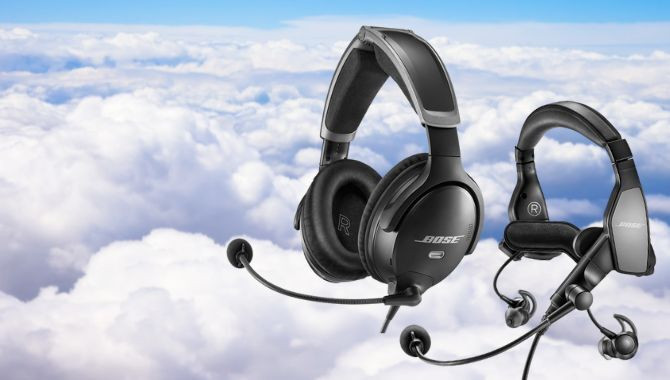
A Closer Look: The Bose A30 Aviation Headset
When Bose announced the A30, the aviation world paid attention. As the successor to the legendary A20, it had big shoes to fill, and it delivered. The A30 builds on everything pilots loved about its predecessor while introducing thoughtful improvements that make a real difference in the cockpit. It’s designed to be the ultimate all-around headset, providing top-tier noise cancellation, incredible audio clarity, and a level of comfort that makes long flights feel shorter. Let's break down what makes the Bose A30 Aviation Headset a leading choice for pilots across all types of flying.
A30: The Highlights
The first thing you’ll notice about the A30 is its comfort. Bose engineered it with a lower clamping force than the A20, which means less pressure on your head during long cross-country flights. But comfort is just the start. The A30 offers what Bose calls "the best balance of attenuation and audio clarity," meaning you get powerful noise reduction without feeling completely isolated. The digital Active Noise Reduction (ANR) is exceptional, effectively quieting the drone of a piston engine or the rush of a jet. This allows you to hear ATC and your intercom with crisp clarity, reducing mental fatigue and protecting your hearing over the long term.
Customizing Your ANR, Power, and Pairing
One of the A30’s standout features is its adaptability. You can select from three modes of active noise cancellation (low, medium, and high) to match your current environment. This lets you dial in the perfect level of quiet, whether you’re in a loud cockpit on takeoff or a quieter environment at cruise. The headset also features seamless Bluetooth connectivity for pairing with your phone or EFB, and a double-tap talk-through feature that lets you hear someone in the cockpit without removing your headset. Plus, the microphone can be swapped to either side without any tools, a small but brilliant detail that adds to its user-friendly design.
Is the A30 the Right Headset for You?
So, is the A30 the right choice for your flight bag? For most pilots looking for a premium, over-ear headset, the answer is a resounding yes. The Bose A30 has quickly become the modern benchmark for ANR performance. If you fly a variety of aircraft, value long-haul comfort, and demand the best audio clarity for your communications, the A30 is a fantastic investment. Its combination of digital ANR, comfort engineering, and pilot-focused features makes it a versatile workhorse. While it’s a premium product, it’s one that pays dividends in comfort, safety, and hearing protection on every single flight.
A Closer Look: The Bose ProFlight Series 2
If you spend your days in the flight deck of a commercial or corporate jet, the Bose ProFlight Series 2 deserves your attention. It’s an incredibly lightweight, in-ear headset designed specifically for the lower-noise environments of turbine aircraft, where comfort over long hours is just as important as clarity. This headset is all about providing top-tier performance without the bulk of a traditional over-ear model. It combines Bose's famous audio quality with a minimalist design that many long-haul pilots prefer, making it a unique offering in the world of aviation headsets.
ProFlight Series 2: The Highlights
The ProFlight Series 2 was built from the ground up for professional pilots. Its feature set is tailored for the demands of the airline and corporate flight deck. You get three user-selectable modes of active noise cancellation, letting you dial in the perfect level of quiet for any phase of flight. It also includes tap control for talk-through communication, a clever feature that allows you to hear someone next to you without taking the headset off. With full Bluetooth connectivity for audio and a microphone that can be swapped to either side without any tools, the Bose ProFlight Series 2 is a flexible and powerful tool for your flight bag.
In-Ear Performance, Power, and Pairing
The standout feature of the ProFlight Series 2 is its in-ear design. Instead of cups that cover your ears, it uses soft, proprietary StayHear+ tips that create a gentle but secure seal. This makes it one of the lightest and most comfortable aviation headsets available, significantly reducing fatigue on long flights. Engineered specifically for the acoustic environment of jet cockpits, its active noise cancellation is tuned to reduce the specific frequencies you’ll encounter there. This targeted approach ensures you get clear audio and protection without feeling completely isolated from your surroundings. Powering the headset is simple, with options for either two AA batteries or a direct connection to your aircraft’s power.
Is the ProFlight Series 2 the Right Headset for You?
So, how do you know if this is the headset for you? It really comes down to your primary flying environment. If you’re a commercial or corporate pilot flying turbine-powered aircraft, the ProFlight Series 2 is a fantastic choice. Its lightweight, in-ear design offers incredible comfort for long-duration flights, and its noise cancellation is optimized for the relatively quiet cockpits of modern jets. It’s for the pilot who values a minimal footprint and wants to reduce clamping force and heat buildup around their ears. However, if you frequently fly louder piston or turboprop aircraft, you might find an over-ear design offers better overall noise attenuation. The ProFlight Series 2 is purpose-built for a specific mission.
Bose A30 vs. ProFlight Series 2: Head-to-Head
Choosing between two of the best headsets on the market can feel tough, but it gets easier when you know what to look for. The Bose A30 and ProFlight Series 2 are both incredible pieces of engineering, but they are designed for different pilots and different cockpits. Think of it less as a competition and more as a matchmaking process. Let's break down the key differences to help you find the perfect fit for your flying.
Fit: Over-Ear Comfort vs. In-Ear Lightness
The most immediate difference between these two models is how they sit on your head. The Bose A30 is a classic over-ear headset, with plush earcups that fully enclose your ears. This design provides excellent passive noise reduction and a secure, stable feel that many pilots prefer, especially in louder environments. It distributes its weight across the headband and earcups for long-term comfort.
In contrast, the Bose ProFlight Series 2 is an exceptionally lightweight in-ear model. It rests gently on your head and uses soft, pliable silicone tips to create a seal inside your ear canal. For pilots who are sensitive to clamping pressure or fly long-haul routes, the ProFlight’s barely-there feel can be a game-changer, significantly reducing fatigue over many hours.
Noise Cancellation: Which Performs Better Where?
Both headsets feature Bose’s legendary active noise cancellation (ANR) with three user-selectable modes, allowing you to tailor the audio environment to your liking. However, their performance shines in different arenas. The A30’s over-ear design provides a strong first line of defense through passive noise blocking. This physical barrier, combined with its powerful ANR, makes it the undisputed champion for noisy cockpits like those in piston aircraft and many turboprops.
The ProFlight Series 2 excels in the relatively quiet, pressurized cabins of modern jets. While its ANR is highly effective, its in-ear design offers less passive attenuation. It’s specifically engineered to cancel the low-frequency rumble typical of jet engines while still allowing you to hear important cockpit conversations clearly.
Battery and Bluetooth: A Direct Comparison
When it comes to core technology, Bose keeps the playing field level. Both the A30 and ProFlight Series 2 offer up to 45 hours of continuous use from just two AA alkaline batteries, giving you peace of mind on long cross-country flights. Both are also available with aircraft power (LEMO) connectors, so you can skip batteries altogether.
Bluetooth connectivity is also standard on both models. This allows you to wirelessly pair your phone or tablet for audio alerts, music, or phone calls when appropriate. You can even customize audio prioritization to mute your music when comms come through. On these essential features, you can’t go wrong with either choice; they both represent the best of Bose’s current technology.
Breaking Down the Price and Value
There is a price difference between the two, with the A30 typically costing more than the ProFlight Series 2. The A30’s premium price reflects its robust build and superior all-around noise-canceling capability, making it the go-to choice for pilots who fly a wide variety of aircraft or spend most of their time in louder environments. For many, the investment is justified by its versatility and unmatched performance.
The ProFlight Series 2 offers incredible value for the pilot it was designed for: the professional flying in a jet cockpit. Its lower price point, combined with its extreme comfort and specialized noise cancellation, makes it a smart and targeted investment. Ultimately, the best value isn’t just the lower price tag; it’s getting the right tool for your specific mission.
Are Bose Headsets Worth the Investment?
Let's be honest, the first thing many pilots notice about Bose is the price. It’s a significant investment, and it’s fair to ask if the performance truly justifies the cost. When you’re weighing your options, you’re not just buying a piece of equipment; you’re investing in your comfort, your hearing protection, and the clarity of your communications for hundreds of hours in the cockpit. So, are Bose headsets really worth it? The short answer for many pilots is a resounding yes. Let's break down what you're paying for and how Bose compares to other top contenders in the market.
What's Behind the Premium Price Tag?
The premium price of a Bose headset isn't just for the brand name. You're paying for decades of audio engineering and pilot-focused innovation. At the core is their industry-leading Active Noise Reduction (ANR), which is the benchmark for quieting the persistent drone of an engine. This allows you to fly with less fatigue and protect your hearing long-term. Beyond the silence, Bose headsets are TSO-certified, meaning they meet rigorous FAA standards for performance and durability. This commitment to quality is driven by engineers who are often pilots themselves, designing the gear they’d want to use. From the crystal-clear microphone to the thoughtful comfort features, every detail in a Bose headset is engineered for the demanding environment of the cockpit.
How Bose Stacks Up Against the Competition
When you compare premium aviation headsets, Bose consistently lands at the top of the list for overall performance. While other excellent brands like Lightspeed offer fantastic value, the Bose A30 is often considered the gold standard. The choice usually comes down to whether you want the absolute best experience available or a great value alternative. For pilots who prioritize cutting-edge noise cancellation, unmatched comfort on long flights, and proven reliability, the A30 often justifies its higher price. It’s an investment in a tool that performs flawlessly flight after flight, which is why so many professional and dedicated private pilots believe the extra cost is money well spent.
Let's Talk Long-Haul Comfort
Spending hours in the cockpit means that comfort isn't a luxury; it's a necessity for staying focused and sharp. A headset that feels great after hour one can become a major point of distraction by hour five. When you’re evaluating a headset, especially for long flights, pay close attention to how it’s designed to reduce physical strain. Factors like weight, the materials used for the ear cups, and the overall fit play a huge role in your endurance. A well-designed headset should feel like a natural extension of your gear, not a constant, heavy presence.
Fighting Fatigue: Clamping Force and Fit
If you’ve ever felt that vise-grip headache from a headset, you know all about clamping force. It’s the pressure the headset exerts on your head to create a seal for noise cancellation. While a tight seal is good, too much pressure leads to fatigue. Bose Aviation headsets are engineered with this balance in mind. For example, the Bose A30 features 20% less clamping force than its popular predecessor, the A20. This significant reduction makes a world of difference on cross-country or international flights. Combined with soft ear cushions and a lightweight frame, it allows you to wear the headset for extended periods without the usual discomfort, helping you stay focused on flying.
Over-Ear vs. In-Ear: A Pilot's Perspective
The debate between over-ear and in-ear headsets comes down to your cockpit environment and personal preference. When you're buying your first headset, it's a key decision. Over-ear models, like the Bose A30, are the go-to choice for most pilots because they excel in nearly all flying conditions, from piston trainers to turboprops. They create a solid seal that provides excellent noise cancellation. In contrast, an in-ear model like the Bose ProFlight Series 2 is engineered specifically for the quieter environments of commercial and corporate jets. Their lightweight design is a huge plus for airline crews on long-haul routes where cockpit noise is already low. Consider where you do most of your flying to pick the right style for you.
Choosing Your Bose: A Guide for Every Pilot
The right headset isn't just about features; it's about finding the perfect copilot for your specific mission. Your ideal Bose headset depends on the aircraft you fly, the type of flying you do, and your personal preferences for comfort and fit. Whether you're just starting your training in a piston single or flying long-haul routes in a quiet jet, Bose has a solution engineered for your environment. Let's break down which headset makes the most sense for your pilot seat.
For Private Pilots and Students
If you’re a private pilot or student, you’re likely spending your time in louder, single-engine piston aircraft. In this environment, your top priorities are protecting your hearing and reducing fatigue. The Bose A30 headset is the undisputed champion here. Its over-ear design provides excellent passive noise blocking before the ANR even kicks in. The A30’s legendary active noise reduction cancels out the fatiguing drone of the engine, letting you focus on flying the aircraft and communicating clearly. It’s a comfortable, durable, and versatile headset that will be a trusted piece of gear from your first solo all the way through your instrument rating and beyond.
For Commercial and Airline Crews
For pilots in the commercial and airline world, the cockpit environment is a different story. The flight decks of modern jets and turboprops are significantly quieter, and flights can last for many hours. Here, the lightweight, in-ear Bose ProFlight Series 2 truly shines. It was purpose-built for these lower-noise environments, offering incredible comfort and minimal clamping force, which makes a huge difference on a long-haul flight. While the A30 is still a fantastic option for its versatility, many professional pilots prefer the ProFlight for its barely-there feel and excellent audio clarity. It’s the perfect tool for staying sharp and comfortable during a full duty day.
For Instructors and Versatile Roles
Flight instructors and pilots who fly a wide variety of aircraft need one thing above all: versatility. One day you might be in a noisy vintage taildragger, and the next you could be in a quiet, pressurized twin. For this kind of mission, the Bose A30 is the ultimate workhorse. Its industry-leading ANR performs exceptionally well across the entire spectrum of cockpit noise, from the low-frequency rumble of a radial engine to the high-frequency wind noise of a sleek composite plane. The comfort and durability of the A30 are also critical for instructors who spend all day, every day in the cockpit. It’s the one headset that can handle anything you throw at it, making it a smart investment for any professional pilot.
Finding the Best Deal on Bose Headsets
A premium headset is a significant investment in your comfort and safety in the cockpit. While Bose headsets are worth every penny for their quality, it’s always smart to make sure you’re getting the best possible value for your money. With a little planning, you can feel confident that you’re not only buying a great product but also getting it at a great price.
Keep an Eye Out for Promotions
One of the best ways to maximize value is to watch for official promotions. Bose frequently runs special offers that can make your purchase even sweeter. For example, it’s not uncommon to see deals where buying a new Bose A30 or ProFlight Series 2 headset gets you a valuable gift, like a pair of their popular noise-cancelling earbuds.
Some promotions even offer a discount on additional headsets purchased at the same time, which is perfect for flight schools or families with more than one pilot. Before you buy, it’s always a good idea to check for the latest Bose Aviation promotions to see if your timing is right for a bonus offer. These deals can add significant value and make the investment even more rewarding.
Tips for Getting the Best Value
Beyond seasonal promotions, there are a few other strategies you can use to ensure you get the most out of your purchase. A great headset is a long-term piece of gear, and these tips will help you buy with confidence.
- Compare Models: The Bose A30 is a top-of-the-line choice, but it's important to weigh its features against your specific needs and budget. Comparing it with other high-quality options helps you decide what's essential. Take the time to explore different aviation headsets to find the perfect balance of performance and price for your type of flying.
- Use the Trial Period: Bose stands behind its products with a generous 90-day risk-free trial. This gives you plenty of time to fly with the headset and make sure it’s the right fit for you and your aircraft. If it doesn’t meet your expectations, you can return it. This trial period removes the pressure from your decision.
- Sign Up for Updates: To stay informed about new products and exclusive deals, sign up for email notifications from your favorite pilot suppliers. This is a simple way to get a heads-up on upcoming sales and special offers before they’re widely advertised.
Where to Buy Bose Aviation Headsets
When you’re ready to invest in a piece of gear as important as a Bose headset, you want to purchase it from a source you can trust. As an authorized Bose dealer, we think the best place to start is with a dedicated aviation outfitter. At Marv Golden, you get competitive pricing along with hands-on customer service from a team that understands pilots’ needs. We can help you compare models, understand the technical specs, and choose the right configuration for the aircraft you fly. You can explore our full collection of premium headsets to find the perfect fit for your mission.
Of course, you can also buy directly from the manufacturer. The official Bose website features their complete lineup and is a straightforward way to see every available option straight from the source. This is a reliable choice if you’ve already done your research and know exactly which model and configuration you want.
You will also find Bose headsets on large online marketplaces like Amazon. While these sites can be convenient, you often miss out on the specialized support that’s critical when purchasing technical cockpit equipment. If you have questions about TSO certifications, power options, or connector types, the expert advice from a pilot-focused supplier is invaluable. Buying from a knowledgeable source ensures you get not just a great product, but also the guidance to make the most of it.
Frequently Asked Questions
I'm a student pilot flying piston aircraft. Is the A30 really worth the investment for me? That's a great question, and it's smart to think about your gear early on. While it is a significant purchase, think of it as a long-term investment in your training and your health. The A30’s noise reduction dramatically lowers fatigue, which helps you stay focused and learn more effectively during lessons. It also provides serious hearing protection, which is critical in loud piston cockpits. This is a headset that will serve you well from your first solo through your instrument rating and for years to come.
What's the simplest way to decide between the A30 and the ProFlight Series 2? It really comes down to the type of cockpit you spend the most time in. If you fly a variety of aircraft, especially piston planes or turboprops with louder environments, the Bose A30 is your all-around champion. Its over-ear design provides the best total noise cancellation. If you primarily fly in the quieter flight decks of commercial or corporate jets and prioritize a lightweight feel for long flights, the in-ear ProFlight Series 2 is designed specifically for you.
Can I use the ProFlight Series 2 in a louder piston aircraft? While the headset would technically function, it’s not the right tool for that job. The ProFlight Series 2 was engineered for the relatively quiet environment of a jet cockpit. In a loud piston plane, its in-ear design doesn't provide enough passive noise reduction to block out the intense engine noise. For that mission, you would be much happier and better protected with the superior all-around noise attenuation of an over-ear model like the Bose A30.
What happens if the batteries die on my headset during a flight? You will not lose communication with ATC. If the batteries run out, the active noise reduction (ANR) and Bluetooth features will turn off, but the headset will continue to work for communications. You will still hear transmissions clearly, just without the quiet of the ANR. Many pilots carry a spare set of AA batteries just in case, or they opt for the aircraft-powered (LEMO) version of the headset to eliminate the need for batteries altogether.
Besides noise cancellation, what am I really paying for with a Bose headset? You're paying for a complete, pilot-focused system. This includes exceptional audio clarity, so every radio call is crisp and intelligible, which is a huge factor for safety. You're also getting incredible comfort, engineered with details like low clamping force to reduce fatigue on long flights. Finally, you're investing in durability and reliability, as these headsets are TSO-certified to meet rigorous FAA standards, ensuring they perform flawlessly when you need them most.