

Posted by Richard G. on Apr 24th 2026
If you have spent any time around modern avionics, chances are you have heard the term ADS-B come up again and again. It is now a standard part of the conversation when pilots talk about compliance, traffic awareness, weather, and cockpit technology. But for many pilots, especially newer ones, ADS-B can still feel a little confusing at first.
What exactly does ADS-B do? Why is it required in some airspace but not others? And what is the difference between ADS-B In and ADS-B Out? In this guide, we will break down what ADS-B means, how it works, when it is required, and why it has become such an important part of flying in today’s airspace.
We will also look at how portable GPS and ADS-B receivers can add useful functionality to your cockpit, especially if you are building a practical and affordable setup.
Whether you are trying to stay legal, improve situational awareness, or simply understand your avionics better, we’ll help you make sense of ADS-B and the equipment that supports it.
What Does ADS-B Stand For?
ADS-B stands for Automatic Dependent Surveillance-Broadcast.
That is a technical name, but the concept becomes much easier when you break it into parts:
- Automatic means it works continuously without the pilot having to manually initiate each transmission.
- Dependent means it relies on accurate aircraft position data, typically from GPS.
- Surveillance means it helps track aircraft location, altitude, velocity, and other important information.
- Broadcast means that information is transmitted out to air traffic control and, in some cases, other aircraft.
In simple terms, ADS-B is a system that allows an aircraft to determine its position through GPS and broadcast that information to improve surveillance and traffic awareness.
It is one of the key technologies behind the modernization of the National Airspace System. Instead of relying only on traditional radar, ADS-B gives controllers and pilots a more precise picture of where aircraft are and how they are moving.
How Does ADS-B Work?
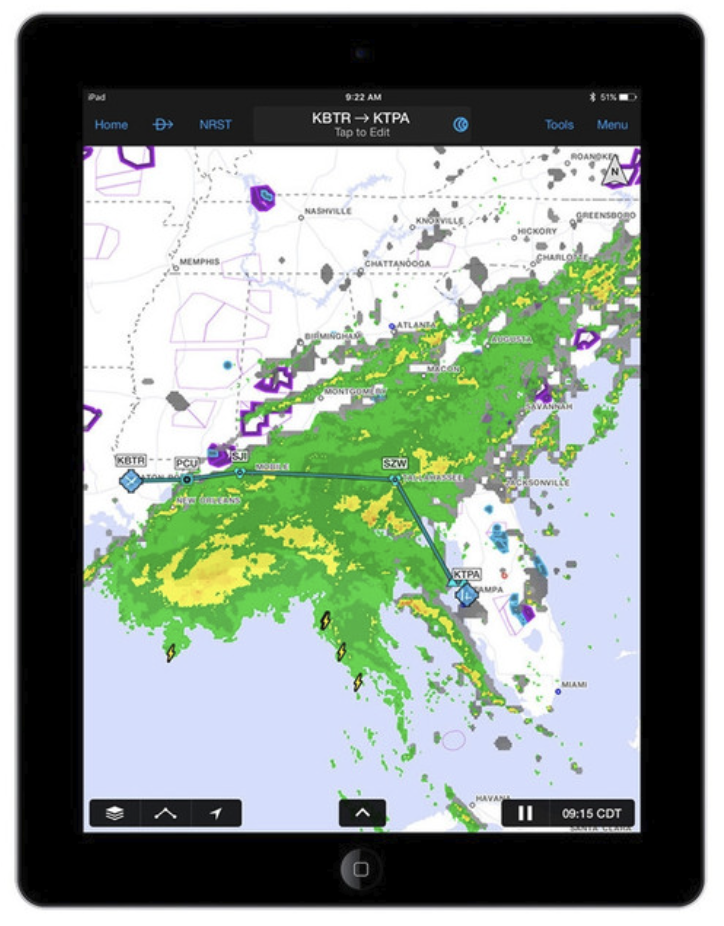
At its core, ADS-B combines GPS positioning with radio transmission.
Your aircraft first determines its position using an approved GPS source. It then broadcasts information such as location, altitude, ground speed, and direction. That data can be received by air traffic control ground stations and, depending on your equipment, by other aircraft as well.
This is where the two sides of ADS-B become important.
ADS-B Out
ADS-B Out is the transmitting side of the system. It sends your aircraft’s position and flight data outward.
This is the part that matters for FAA compliance. In most cases, when pilots ask whether they are “ADS-B compliant,” they are talking about ADS-B Out. If your aircraft operates in airspace where ADS-B is mandated, this is the equipment you need installed and functioning.
ADS-B Out improves traffic flow and surveillance because it gives air traffic control a more accurate, continuously updated position report than older radar-only methods.
ADS-B In
ADS-B In is the receiving side. It allows the pilot to receive information in the cockpit.
This can include nearby traffic and, in many setups, weather information as well. ADS-B In is not the part the FAA requires for most aircraft, but it is the part many pilots get excited about because of the situational awareness benefits it provides.
With the right portable receiver and compatible display device, ADS-B In can help you see traffic targets and weather products in a much more accessible way.
What Is ADS-B In?
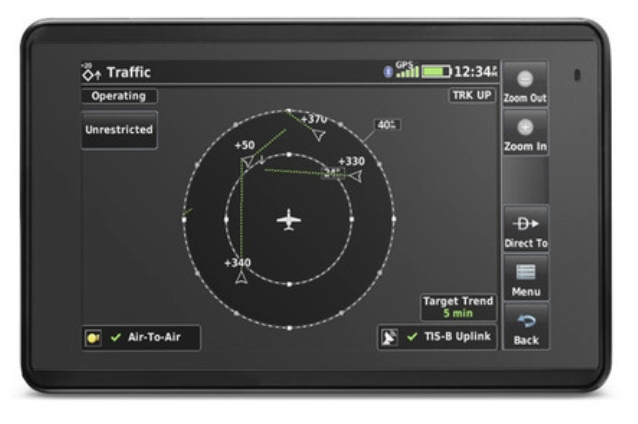
ADS-B In allows your cockpit to receive and display useful flight information.
For many pilots, this is where ADS-B becomes more than just a compliance requirement and starts becoming a practical, everyday safety tool. When paired with a compatible device such as a tablet or portable GPS display, ADS-B In can provide:
Traffic Awareness
ADS-B In can help you identify other aircraft equipped with operating transponders, giving you useful information such as altitude and heading. That added visibility can support better see-and-avoid decision-making, especially in busier airspace.
Weather Information
One of the most attractive benefits of ADS-B In is access to weather products without a subscription in many configurations. For pilots flying cross-country or dealing with changing conditions, this can be a major advantage.
Better Situational Awareness
Instead of piecing together traffic, weather, and position data from separate sources, ADS-B In can bring them together in a format that is easier to interpret in real time.
According to your internal GPS guide, ADS-B In receivers can display traffic and weather information, while ADS-B Out is the required transmit function usually built into the aircraft’s transponder. The guide also highlights that some GPS units and receivers can pair with tablets and moving-map systems for an even more useful cockpit setup.
When Is ADS-B Required?
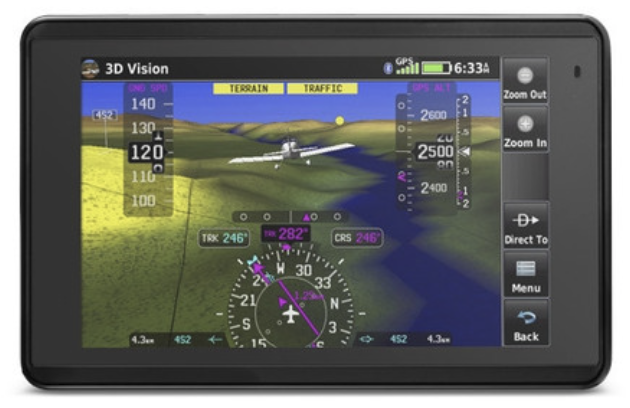
This is one of the most important questions for aircraft owners and pilots.
In general, ADS-B Out is required in much of the same airspace where a Mode C transponder has traditionally been required. That includes many areas of controlled airspace, particularly around busier airports and at certain altitudes.
Common Airspace Where ADS-B Out Is Required
ADS-B Out is generally required in:
Class A Airspace
If you are operating in Class A airspace, ADS-B Out is required.
Class B Airspace
ADS-B Out is also generally required within Class B airspace..
Class C Airspace
ADS-B Out is also generally required within and above Class C airspace.
Above Certain Altitudes
In many cases, aircraft flying above 10,000 feet MSL, excluding airspace below 2,500 feet AGL, are subject to the rule as well.
Because compliance details can depend on your aircraft, equipment, and operating environment, pilots should always verify the specific requirements that apply to their mission and airspace. But the key takeaway is straightforward: if you fly in higher-density or more highly controlled airspace, ADS-B Out is likely not optional.
ADS-B In vs ADS-B Out: What Is the Difference?
This is where many pilots get tripped up, so it helps to keep it simple.
ADS-B Out = Required for Compliance
ADS-B Out sends your aircraft’s position and flight data out to air traffic control and other systems. This is the compliance side.
ADS-B In = Useful for Awareness
ADS-B In brings traffic and weather data into your cockpit. This is the convenience and situational-awareness side.
You can think of it this way: ADS-B Out helps others see you, while ADS-B In helps you see more of what is happening around you.
For many pilots, the smartest cockpit setup includes a compliant ADS-B Out installed in the aircraft and a portable ADS-B In receiver paired with a tablet or GPS display.
Portable ADS-B and GPS Products Worth Considering
Not every pilot is looking for a full avionics overhaul. Sometimes, the more practical move is adding portable gear that improves awareness and cockpit usability.
There are several strong options for pilots considering looking to add ADS-B In and GPS capability to their setup.
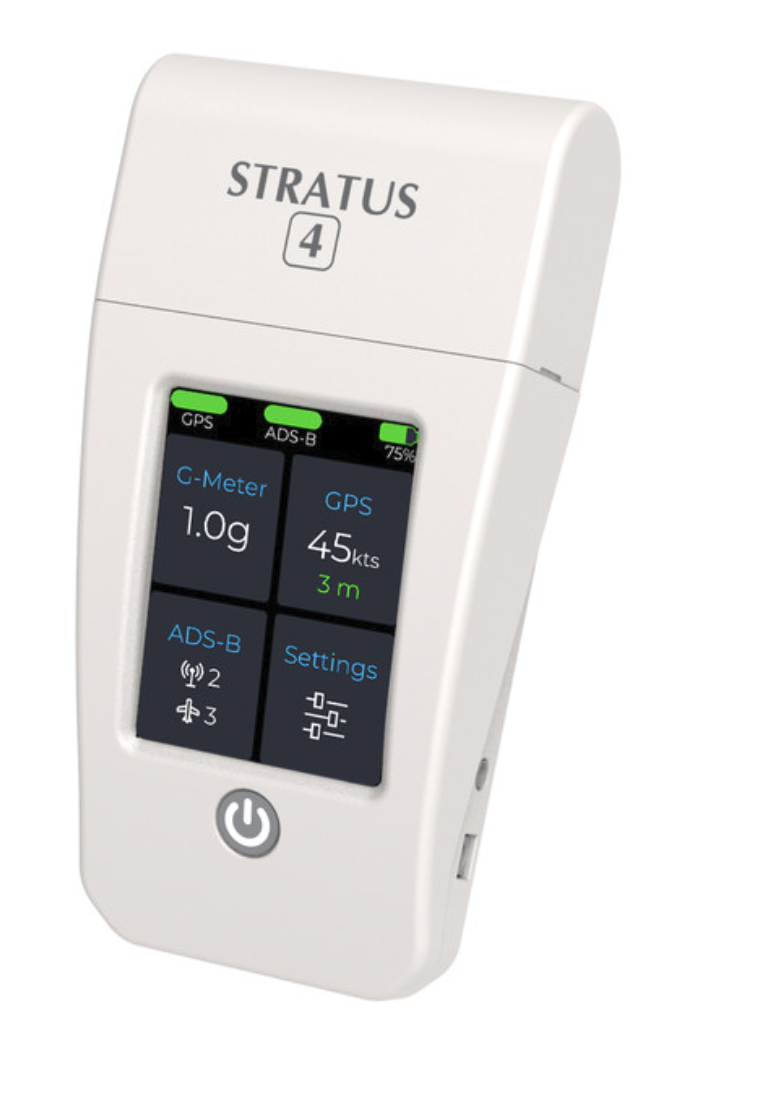
A popular option for pilots who want portable ADS-B traffic and weather information in the cockpit.
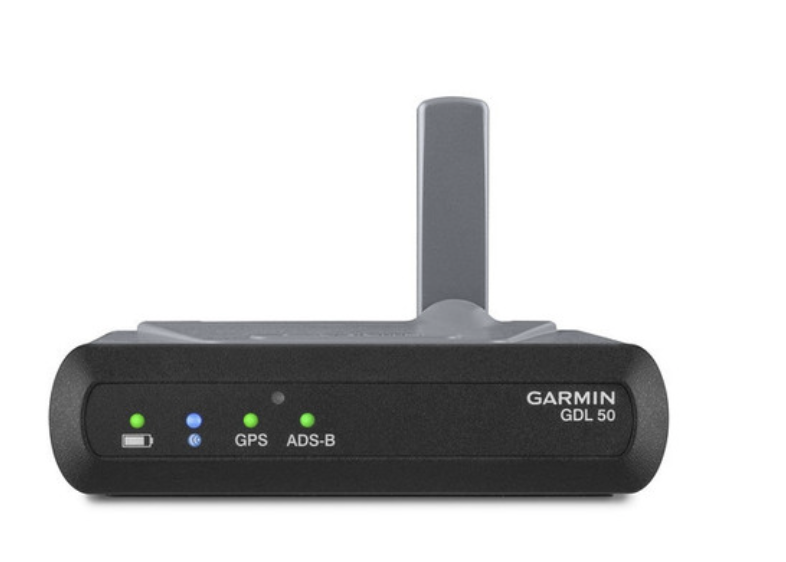
Garmin GDL 50 Portable ADS-B GPS Receiver
A strong choice for pilots who want both portable ADS-B functionality and GPS support.
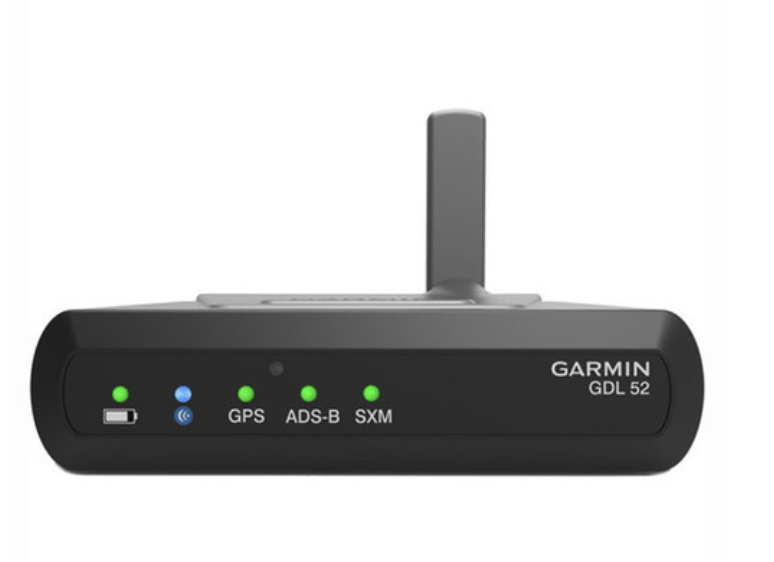
Garmin GDL 52 Sirius XM/ADS-B GPS Receiver
A more feature-rich option for pilots who want ADS-B plus SiriusXM weather capability.
More ADS-B Options
If you are also building out a tablet-based navigation workflow, your setup may benefit from a portable GPS solution or GPS comparison chart shopping across devices. Browse portable options like the Garmin aera 660 GPS and the Garmin aera 760 Portable Aviation GPS.
Why ADS-B Matters
ADS-B is more than just another avionics acronym. It represents a major shift in how aircraft are tracked, how traffic is monitored, and how pilots access useful in-flight information.
For some pilots, ADS-B starts as a legal requirement. For others, it becomes a practical upgrade that improves confidence in the cockpit. Either way, understanding the system helps you make better equipment decisions and fly with greater awareness.
If you fly in regulated airspace, ADS-B Out is something you need to take seriously. If you want more traffic and weather visibility in the cockpit, ADS-B In can be a valuable addition. And if you are trying to build a reliable portable setup, products like the Stratus 4, Garmin GDL 50, and Garmin GDL 52 can help bridge the gap between basic compliance and a much more capable cockpit.
Understanding ADS-B with Confidence
Modern flying depends on good information, and ADS-B is a big part of that picture. It helps air traffic control track aircraft more accurately, helps pilots stay compliant in required airspace, and can provide traffic and weather information that supports smarter in-flight decisions.
Once you understand the difference between ADS-B In and ADS-B Out, the system becomes much easier to evaluate. One side keeps you legal. The other can make your cockpit more informed and more useful.
If you are ready to improve your setup, now is a great time to explore ADS-B receivers, portable GPS options, and related cockpit tools that fit the way you fly.