
Posted by Richard G. on Jul 16th 2026
The word "pilot" carries a sense of guidance, skill, and responsibility that extends far beyond the flight deck. It’s a title earned through discipline and dedication, representing someone who can safely manage complex systems under pressure. This same spirit is why we have "pilot" episodes for TV shows and "pilot" programs for new business ideas; the term itself has become a synonym for testing limits and leading the way. This article explores the full meaning of being a pilot today, from the technical skills and licensing requirements to the personal qualities that define a true professional. It’s a comprehensive look at a career that is as much about character as it is about flying.
Key Takeaways
- A Pilot's Responsibilities Extend Beyond the Cockpit: The job involves detailed ground preparations, managing advanced automation in flight, and exercising critical judgment, making it a role defined by leadership and accountability.
- Build Your Career One License at a Time: The pilot career path is a clear progression, starting with foundational licenses, building hours as an instructor, and then advancing through the airline ranks from first officer to captain.
- Essential Skills Meet a High-Demand Market: Success requires more than technical ability; it demands strong communication, teamwork, and adaptability. With a current global pilot shortage, developing these skills puts you in an excellent position for a rewarding career.
What Does It Mean to Be a Pilot?
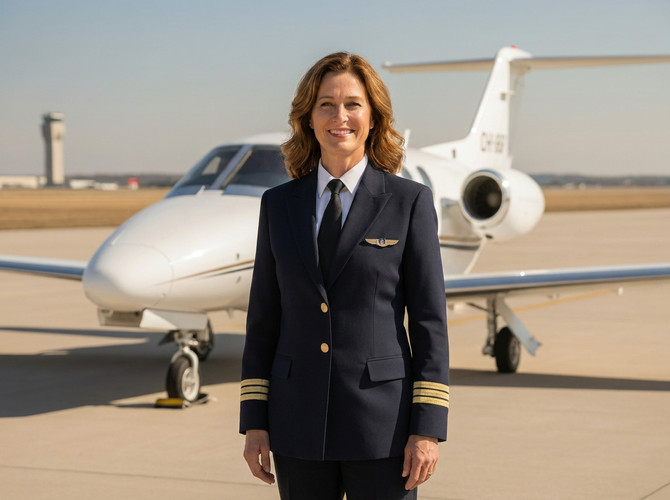
When you picture a pilot, you probably imagine someone in a crisp uniform confidently at the controls of an aircraft. While that’s certainly part of the job, the role of a pilot, or aviator, is much more complex. It’s a career defined by immense responsibility, technical expertise, and a deep commitment to safety. Being a pilot means more than just flying; it means being a leader, a problem-solver, and the ultimate decision-maker in the sky. Let's look at what the job truly involves, from core duties to common misconceptions.
A Pilot's Core Cockpit Responsibilities
At its heart, a pilot is the person who controls an aircraft during flight. This requires a unique set of skills, often recognized by the special badges pilots wear to show their qualifications and experience. The pilot in command is legally responsible for the aircraft, its crew, and every passenger on board. This responsibility covers everything from managing the flight path and operating complex systems to handling in-flight communications. While modern cockpits are full of advanced technology, the pilot’s judgment and skill are what ensure a safe journey from takeoff to landing. Having the right pilot supplies on hand is essential for managing these critical tasks effectively.
Beyond the Cockpit: Pre- and Post-Flight Duties
A pilot's workday starts long before the engines do and ends well after they shut down. Duty days can stretch up to 12 hours or more, with much of that time spent on the ground. Pre-flight responsibilities are extensive and include analyzing weather reports, calculating fuel requirements, creating a detailed flight plan, and conducting a thorough inspection of the aircraft. After landing, the work continues with post-flight checks, logging flight hours and aircraft details, and debriefing with the crew and maintenance teams. These duties require meticulous attention to detail and a deep understanding of everything from aerodynamics to modern avionics and GPS systems.
Debunking Common Myths About Pilots
The life of a pilot is often romanticized, leading to a few common myths. One is that the First Officer is simply a pilot in training, but they are fully qualified and share flight duties with the Captain. Another popular misconception is that autopilot does all the flying. While autopilot is an incredible tool that reduces workload, the pilot is always actively monitoring the aircraft's systems, communicating with air traffic control, and remaining ready to take manual control at a moment's notice. The flight deck is a team environment, and clear communication through quality headsets is critical for the crew to work together seamlessly.
Exploring "Pilot" Outside of Aviation
The word "pilot" has a core meaning of guidance and testing that extends beyond the flight deck. You've likely heard of a "pilot program," which is a small-scale trial run used to test a new idea or system before a wider rollout. Similarly, the verb "to pilot" can mean guiding or steering something, whether it's a ship through a narrow channel or a new project through a company. This shared idea of expert guidance connects back to the very essence of what an aircraft pilot does: safely steer a complex machine from one point to another. It’s a term rooted in trust, skill, and confident direction.
Find Your Wings: Different Types of Pilots
The word “pilot” covers a wide range of roles, each with its own unique mission, lifestyle, and set of skills. Your journey into aviation starts with understanding these different paths. Whether you dream of flying for fun on the weekends, transporting passengers across continents, or teaching the next generation of aviators, there’s a cockpit waiting for you. Think of this as your career flight plan; choosing a destination helps you chart the right course. Let’s explore some of the most common types of pilots to help you find your fit.
Private Pilot
A Private Pilot License (PPL) is your ticket to flying for fun. This certification allows you to fly smaller aircraft for personal or recreational purposes, like taking friends on a scenic flight or traveling to a weekend getaway. The training requirements are less intensive than for commercial roles, making it the most common starting point for aspiring aviators. While you can’t be paid for your flying, you can share operating expenses with your passengers. Earning your PPL is a major accomplishment that grants you incredible freedom. It’s the foundation upon which all other ratings are built, and it requires a solid set of pilot supplies to get started.
Commercial Pilot
If you want to make a living in the sky, becoming a commercial pilot is your goal. These pilots are trained and certified to fly for hire, transporting passengers or cargo. The path to a Commercial Pilot License (CPL) involves more rigorous training and a deeper understanding of aircraft systems, regulations, and emergency procedures. This career has a powerful allure, offering the chance to turn your passion for flight into a profession. Commercial pilots work in various sectors, including regional airlines, charter operations, and aerial photography. A professional-grade headset is one of the first major investments you'll make as you begin your commercial career.
Airline Transport Pilot
The Airline Transport Pilot (ATP) certificate is the highest level of pilot certification. This is the credential required to act as a captain for a major airline, carrying the immense responsibility of safely flying passengers and crew on scheduled flights around the globe. Achieving an ATP certificate requires a significant amount of experience, including a minimum of 1,500 flight hours, and demonstrates an expert level of skill, knowledge, and decision-making. For many pilots, earning their ATP and donning the captain’s uniform is the ultimate career achievement. This role demands professionalism in every detail, right down to your pilot apparel.
Flight Instructor
Flight instructors are the mentors of the aviation world. They play a critical role in shaping the future of aviation by teaching aspiring pilots the skills and knowledge needed to fly safely and confidently. For many new commercial pilots, becoming a Certified Flight Instructor (CFI) is a popular first job. It’s an excellent way to build the flight hours required for airline jobs while honing your own skills. Explaining complex maneuvers and concepts to a student solidifies your own understanding. It’s a challenging but incredibly rewarding career that allows you to share your passion for flying with others every single day.
Cargo Pilot
A career as a cargo pilot offers a unique and essential role in the aviation industry. Instead of passengers, you transport goods, supporting global commerce and supply chains. This path combines a love for flying with a mission-oriented mindset. Cargo pilots often fly at night and on international routes, operating some of the largest aircraft in the world. The lifestyle can be different from that of a passenger airline pilot, but it offers its own set of adventures and rewards. Precision is key, and you'll rely heavily on your aircraft's avionics and GPS to ensure every shipment arrives safely and on time.
Military vs. Civilian Pilots
Pilots generally fall into two broad categories: military and civilian. The path you choose will define your training and career trajectory. Military pilots undergo highly specialized and rigorous training to fly everything from fighter jets and helicopters to massive transport planes for national defense. In contrast, civilian pilots typically focus on private or commercial aviation, flying for airlines, corporations, or themselves. While their missions differ, both require exceptional skill and dedication. Many civilian pilots begin their careers in the military, transitioning to the commercial sector after completing their service and bringing a wealth of experience with them.
Maritime Pilots: Navigating the Seas
While they don’t operate aircraft, maritime pilots share a similar title and an equally critical responsibility. These highly skilled navigators guide ships through treacherous or congested waters, such as harbors, canals, and river mouths. A maritime pilot temporarily takes control from a ship’s captain to ensure safe passage, using their expert knowledge of local tides, currents, and underwater hazards. Like an aircraft pilot on final approach, their job demands immense precision, situational awareness, and calm under pressure. It’s a fascinating example of how the core principles of piloting, guidance and safe navigation, extend beyond the skies.
What Makes a Great Pilot?
Flying a plane is a technical skill, but being a great pilot goes far beyond the mechanics of flight. It’s about a specific mindset and a collection of soft skills that allow you to handle any situation with confidence and professionalism. The best aviators are defined by their judgment, communication, and resilience. These qualities are not just innate; they are developed through dedicated training, continuous learning, and real-world experience. Let’s look at the core traits that separate good pilots from great ones.
Master Situational Awareness and Decision-Making
A great pilot always knows what’s happening in and around their aircraft. This is situational awareness: a constant mental picture of your location, flight conditions, aircraft status, and any potential hazards. It’s about seeing the whole board, not just the next move. This awareness is critical because it directly informs your decision-making. When conditions change unexpectedly, a pilot with strong situational awareness can process information quickly, anticipate outcomes, and make sound judgments under pressure. As the experts at SkyTeam Aviation note, "problem-solving abilities" are essential for setting you apart. You can sharpen this skill with experience and by using reliable flight-planning tools that keep critical information at your fingertips.
Excel at Communication and Teamwork
You’re never truly alone in the sky. Clear, concise communication is the foundation of aviation safety, whether you’re talking to air traffic control, coordinating with a co-pilot, or updating your passengers. According to AeroGuard Flight Training, your skills "must include being a team player." In a multi-crew cockpit, teamwork is everything. It means trusting your colleagues, sharing the workload, and speaking up when something doesn’t seem right. This collaborative spirit extends to everyone involved in the flight, from ground crews to cabin staff. Investing in one of the top-tier aviation headsets is a practical first step, ensuring every transmission you send and receive is crystal clear.
Develop Technical Skill and Adaptability
Mastering an aircraft requires deep technical knowledge. You need to understand its systems, performance limits, and emergency procedures inside and out. But technical proficiency is only half the equation; you also need to be highly adaptable. No two flights are the same, and you will inevitably face challenges like changing weather, unexpected air traffic, or system malfunctions. Adaptability is your ability to apply your knowledge to new and evolving situations calmly and effectively. This combination of deep understanding and mental flexibility allows you to maintain control and find solutions when things don't go as planned.
Meet the Physical and Mental Health Standards
The demands of being a pilot are as mental as they are physical. Every pilot must pass a rigorous aviation medical exam to prove they are fit to fly, but health is an ongoing commitment. It means showing up for every flight well-rested, clear-headed, and ready for the job's demands. Mental fortitude is just as important. Pilots need discipline, focus, and an unwavering sense of responsibility. You must remain calm under pressure and maintain a professional demeanor, even during stressful situations. This resilience is a hallmark of a great pilot and is essential for ensuring the safety of everyone on board.
Your Roadmap to Getting Licensed
Becoming a pilot is a step-by-step process of earning certificates and ratings. Each new license is a milestone that opens up more of the sky, building upon the skills you learned in the last stage. Think of it as a ladder: you start on the first rung and climb your way up to your ultimate goal, whether that’s flying for fun on weekends or captaining a commercial airliner. Here’s a look at the key licenses and ratings you’ll encounter on your journey.
Earning Your Private Pilot License (PPL)
Your adventure begins with the Private Pilot License, or PPL. This is your foundational certificate and the first major goal for any aspiring pilot. To earn it, you’ll need to complete ground school and log at least 35 to 40 hours of flight training with a certified instructor. Once you pass your exams and checkride, your PPL allows you to fly single-engine aircraft by yourself and even carry passengers. While you can’t be paid for flying, you can share the operating expenses with your passengers. This license is your ticket to freedom, perfect for weekend trips and gaining valuable experience as you begin your pilot journey.
Adding an Instrument Rating (IR)
After earning your PPL, the next logical step for many pilots is to get an Instrument Rating (IR). This rating is an add-on to your pilot license and is a serious step up in your training. It qualifies you to fly under Instrument Flight Rules (IFR), which means you can fly in or above the clouds and in other low-visibility weather conditions. You’ll learn to rely solely on your aircraft’s instruments to fly safely. Earning your IR not only makes you a more versatile pilot but also a much safer and more proficient one, as it sharpens your precision and situational awareness in the cockpit.
Obtaining a Commercial Pilot License (CPL)
If your dream is to make a living as a pilot, you’ll need a Commercial Pilot License (CPL). This license is the gateway to a professional career, allowing you to be compensated for your flying services. The requirements are more stringent than for a PPL, demanding a higher level of skill and more flight hours. With a CPL, you can work in roles like aerial photography, pipeline patrol, banner towing, or as a flight instructor (with an additional rating). It’s a critical step on the path to becoming an airline pilot and proves you have the expertise to fly professionally.
Achieving the Airline Transport Pilot License (ATPL)
The Airline Transport Pilot License (ATPL) is the highest level of pilot certification. This is the PhD of the pilot world, and it’s a mandatory requirement for anyone who wants to act as captain for an airline. Since 2013, first officers at U.S. airlines are also required to hold an ATPL. Achieving this license is a major career milestone that requires a minimum of 1,500 flight hours and passing extensive written and practical exams. It signifies that you have the vast experience, knowledge, and judgment needed to be responsible for the safety of a commercial aircraft and its passengers.
Pass Your Aviation Medical Exam
Before you can even begin logging flight hours toward a license, you must pass an aviation medical exam. This is a non-negotiable step for every pilot. The exam is conducted by an Aviation Medical Examiner (AME) and ensures you meet the health and fitness standards required for safe flying. The exam assesses your vision, hearing, cardiovascular health, and overall physical and mental condition. There are different classes of medical certificates, with stricter requirements for commercial and airline transport pilots. Maintaining your airman medical certification is an ongoing part of every pilot’s career, ensuring you’re always fit to fly.
The Journey to the Cockpit: How Long Does It Take?
The path to becoming a pilot is a structured journey, not a race. The total time it takes depends on your ultimate goal, whether that’s flying for fun or for a major airline. Your timeline is also shaped by how often you can train and the type of flight school you attend. Think of it as a series of building blocks, with each license and rating preparing you for the next step.
The process involves three core components that you’ll repeat for each new certification: accumulating flight hours, passing written knowledge exams, and successfully completing a practical test. While some people can go from zero experience to a commercial license in under a year with full-time training, for others it’s a multi-year process they fit around work and family. No matter the pace, each milestone, from your first solo flight to earning your wings as a professional, is an incredible achievement.
How Many Flight Hours Do You Need?
Flight hours are the fundamental measure of a pilot's experience. While the minimums are set by aviation authorities, most pilots find they need more time to become truly proficient. For a Private Pilot License, the starting point for most, you’ll need at least 40 hours. To fly professionally, you’ll work toward a Commercial Pilot License, which requires around 250 hours. The ultimate goal for many aspiring airline pilots is the Airline Transport Pilot (ATP) license. To qualify for an ATP certificate, you typically need a minimum of 1,500 flight hours, a benchmark that proves you have the extensive experience needed to act as captain. Keeping a detailed logbook is essential for tracking every minute of your hard-earned time in the air, and you'll find all the pilot supplies you need to stay organized.
Ace Your Ground School and Written Exams
Before you can master the skies, you have to hit the books. Ground school is an essential part of your training, covering critical topics like aerodynamics, meteorology, navigation, and federal regulations. Passing the written exams is a crucial step in obtaining your pilot licenses, as this knowledge forms the foundation for every decision you make in the cockpit. This isn't just about memorization; it's about deeply understanding the principles of flight and the systems you operate. Whether you attend in-person classes or use an online course, a solid grasp of this material will make you a safer, more confident pilot.
Prepare for Your Checkride
The checkride, or practical test, is the final step in each certification process. This is where you bring everything together to show an FAA-designated examiner that you’re ready for the responsibilities of your new license or rating. The checkride has two parts: an oral exam and a flight test. During the oral portion, the examiner will quiz you on your knowledge. Then, you’ll head to the aircraft to demonstrate your flying skills. The examiner isn't looking for perfection, but for sound judgment and safety. They want to see that you can operate the aircraft confidently and make smart decisions, proving you meet the standards to fly safely. Clear communication is key, so a quality headset is one of your most important tools.
Charting Your Career Path: Student to Captain
Earning your pilot licenses is a huge accomplishment, but it’s also just the beginning of your professional journey. The path from a newly minted commercial pilot to the captain’s seat at a major airline is a well-defined progression built on gaining experience and flight hours. While every pilot’s career looks a little different, most follow a similar trajectory. This path requires patience, dedication, and a commitment to continuous learning. It’s a challenging but incredibly rewarding climb, taking you from teaching students in a single-engine trainer to commanding a sophisticated jetliner.
Think of it as a series of building blocks. Each step provides the foundation for the next, adding new skills, responsibilities, and of course, flight hours to your logbook. You'll start by solidifying your own knowledge while teaching others, then move into the fast-paced world of airline operations, first on a smaller scale and then with a major carrier. Along the way, you'll learn to work as part of a crew, manage complex aircraft systems, and make critical decisions under pressure. Let's walk through the typical steps you’ll take as you build your career and work your way toward the left seat.
Start as a Flight Instructor
For many new commercial pilots, the first professional job is as a flight instructor. Becoming a Certified Flight Instructor (CFI) is one of the most effective ways to build the flight hours required for airline jobs. While you teach others the fundamentals of flight, you are also sharpening your own skills and deepening your understanding of aviation. This role allows you to log valuable Pilot in Command (PIC) time while earning a paycheck. It’s a fantastic way to stay immersed in aviation, network with other pilots, and prepare yourself for the next step. Plus, you'll need all the essential pilot supplies to effectively train the next generation of aviators.
Build Hours with a Regional Airline
After you accumulate enough flight hours, typically around 1,500 for an Airline Transport Pilot certificate, your next goal is often a regional airline. Flying for a regional carrier is a critical step where you gain experience in a multi-crew environment, flying smaller passenger jets on shorter routes. This job transitions you into the airline world, teaching you about standard operating procedures, complex aircraft systems, and the rhythm of airline life. You’ll build turbine flight time and develop the professional skills that major airlines look for in their new hires. It’s a demanding but essential phase of your career development.
Advance to a Major Airline
The ultimate goal for many pilots is a career with a major airline. Once you have sufficient experience and flight hours from a regional carrier, you can apply to the majors. New hires typically start as a first officer (or co-pilot), assisting the captain and learning the specifics of the airline’s operations and aircraft. After several years of experience and seniority, you can upgrade to the captain’s seat. This position comes with greater responsibility, higher pay, and the prestige of being the final authority on the aircraft. It's the culmination of years of hard work, and it's when you'll truly perfect your look with professional pilot apparel.
Stay Current with Ongoing Training
A pilot’s education is never truly finished. The aviation industry is constantly evolving, with new regulations, procedures, and technologies emerging all the time. To ensure safety and proficiency, all professional pilots must participate in ongoing training. This includes recurrent simulator sessions, classroom instruction, and regular checkrides to validate their skills. Staying current means you are always prepared for any situation in the cockpit. It also involves keeping up with the latest in modern avionics and understanding how automation continues to shape the flight deck. This commitment to lifelong learning is a hallmark of a great pilot.
Is Now a Good Time to Become a Pilot?
If you’re dreaming of a career in the sky, you’ve probably asked yourself this question. Deciding to become a pilot is a huge commitment, and you want to know that your investment of time and money will lead to a stable, rewarding career. The short answer is yes, the timing is excellent. The aviation industry is experiencing a unique period of high demand, creating incredible opportunities for new pilots. Let’s look at the industry growth, the global demand, and what you can expect to earn.
Understanding Industry Growth and Retirements
One of the biggest factors creating opportunities for new pilots is a simple fact: a steady wave of mandatory retirements. In the U.S., commercial airline pilots must retire at age 65. This rule creates a predictable and constant need for new talent to step in and fill those empty seats in the cockpit. When you combine this with overall industry growth, the numbers are compelling. Experts predict a need for hundreds of thousands of new pilots in the coming years, with a large portion of that demand coming from replacing retiring aviators. This creates a clear and reliable pathway for those starting their journey with the right training and pilot supplies.
A Look at the Global Pilot Shortage
The need for pilots isn’t just a local trend; it’s a global phenomenon. Major industry players like Boeing project a long-term need for new pilots to support commercial aviation worldwide. This isn't a short-term blip but a sustained demand that points to long-term career security. The shortage is so significant that airlines are actively competing for qualified pilots, sometimes even drawing experienced corporate pilots back into airline operations. For an aspiring pilot, this is great news. It means that once you have your licenses and flight hours, you’ll be entering a job market where your skills are highly valued and sought after. It’s a prime environment to build a career, whether you’re flying domestic routes or international skies with a top-tier headset.
How Much Do Pilots Earn?
While passion for flying is what draws most people to the cockpit, compensation is an important part of the equation. The high demand for pilots directly translates to strong earning potential. Pilot salaries vary widely based on the airline (regional vs. major), the type of aircraft you fly, and your level of experience, but the overall trend is positive. As you build seniority and move from first officer to captain, your income grows substantially. The investment in training is significant, but the financial rewards of an airline pilot career are designed to match the level of skill and responsibility the job requires. It’s a profession where you can wear your pilot apparel with pride, knowing your career is both personally and financially fulfilling.
How Automation is Reshaping the Cockpit
It’s no secret that automation plays a huge role in modern aviation. From the moment you step into a contemporary cockpit, you’re surrounded by advanced systems designed to make flying safer and more efficient. This has led many to wonder if the pilot's role is shrinking. The reality is that the job isn't disappearing; it's evolving. Automation is changing how pilots fly, shifting their focus from constant manual control to strategic systems management and critical decision-making. A pilot’s expertise is more important than ever, just in a different way.
Automation Tools in Today's Aircraft
Today’s cockpits are packed with sophisticated tools that reduce workload and improve flight precision. The autopilot is the most well-known, but it’s just one piece of the puzzle. Flight Management Systems (FMS) help pilots plan and execute routes with incredible accuracy, optimizing for fuel and time. Modern glass cockpits display flight information on large screens, integrating data from various sensors and systems. These advanced avionics and GPS units provide pilots with unparalleled situational awareness. While these tools handle many routine tasks, they don't fly the plane themselves; they follow the pilot's instructions, acting as a highly capable co-pilot.
The Future Role of the Pilot
Even with advanced autopilot systems, the pilot remains the ultimate authority in the cockpit. Autopilot is a tool that aids in flying, but it doesn't eliminate the need for a skilled human at the controls. In fact, pilots often choose to fly manually to maintain their flying proficiency, especially during critical phases like takeoff and landing. The pilot's role is shifting from a stick-and-rudder operator to a systems manager. They are trained to monitor the automation, understand its behavior, and intervene immediately if something goes wrong. This requires a deep understanding of the aircraft and the ability to make split-second decisions when the unexpected happens.
Flying Greener: A Pilot's Responsibility
Being a pilot is about much more than just flying an airplane; it's about the immense responsibility of ensuring the safety of everyone on board. This is a duty that automation can support but never replace. Pilots use automated systems to fly more efficiently, optimizing routes and managing fuel burn to reduce the environmental footprint of each flight. However, the core of the job remains the human element: professional judgment, problem-solving, and a commitment to safety above all else. Pilots rely on a combination of advanced systems and essential pilot supplies to manage these complex tasks and bring every flight to a safe conclusion.
The Word "Pilot" Beyond the Flight Deck
The word "pilot" carries a sense of authority, skill, and exploration that has traveled far beyond the world of aviation. When you hear it used outside the context of a cockpit, it’s usually because it’s borrowing that same spirit of guidance and testing that defines the role of an aviator. From the entertainment industry to corporate boardrooms, the term signifies a first step into new territory, a trial run designed to see if a bigger idea has what it takes to fly. It’s a subtle nod to the aviators who first charted the skies, proving that the principles of flight apply to more than just aircraft.
"Pilot" Episodes: Testing a New TV Show
If you’ve ever wondered why the first episode of a new TV series is called a "pilot," you’re already thinking like an etymologist. A television pilot is a standalone episode produced to test a show's potential. It’s the prototype that networks use to gauge everything from character chemistry to audience appeal before committing to a full season. This use of the word perfectly captures the idea of a test flight. Just as an aviator puts an aircraft through its paces to ensure it’s airworthy, a pilot episode lets decision-makers see if a new concept can truly soar or if it’s destined to stay on the ground.
"Pilot" Programs: Testing a New Idea
The same logic applies in the world of business, science, and public policy. A "pilot program" or "pilot study" is a small-scale trial run of a new project or method. Whether it’s a company testing a new software with a small group of users or a city trying out a new recycling initiative in one neighborhood, the goal is the same. These programs are designed to identify potential problems, gather data, and assess feasibility before a full-scale, and often expensive, rollout. The term "pilot" here emphasizes the experimental and navigational aspect of the initiative, guiding a new idea from concept to reality.
How Aviation Gave "Pilot" Its Modern Meaning
So, how did the person at the controls of an airplane lend their name to so many other fields? The modern origin of the word "pilot" is directly tied to the early days of aviation. While "pilot" had long been used for someone who steers a ship, it became firmly associated with operators of heavier-than-air flying machines to distinguish them from balloonists. The incredible skill, precision, and courage required to fly these early aircraft gave the title a new weight. The pilot wasn't just steering; they were testing limits, navigating the unknown, and mastering complex technology. This powerful image is why the word is now a synonym for leading the way.
Gear Up: Your Essential Pilot Checklist
Walking into the cockpit prepared with the right equipment is a mark of a professional pilot. Having the proper gear not only makes your job easier but also contributes to a safer, more efficient flight. Whether you’re a student pilot just starting out or a seasoned pro looking to update your kit, this checklist covers the essentials you’ll want in your flight bag.
Choose the Right Headset and Avionics
Clear communication is non-negotiable in aviation, which is why a quality headset is one of the most important investments you’ll make. A good set of aviation headsets reduces cockpit noise, protects your hearing, and ensures you can hear and be heard by air traffic control and your co-pilot. As one guide on essential pilot gear notes, "At the very least, pilots should have a headset," as it's a fundamental tool for any flight. Alongside your headset, reliable avionics are critical for navigation and situational awareness. This includes a dependable GPS unit or a tablet running flight planning software, which helps you stay on course and aware of your surroundings from takeoff to touchdown.
Stock Up on Navigation Tools and Supplies
While digital tools are invaluable, a solid understanding of traditional navigation is essential. That’s why every pilot’s kit should include classic pilot supplies like a flight computer (the classic E6B) and a plotter. These tools are indispensable for flight planning, allowing you to calculate fuel consumption, wind correction, and time en route. A comprehensive checklist for student pilots highlights that "The complete student pilot gear checklist includes navigation tools like the E6B and plotter." Keeping a detailed navigation log, kneeboard, and up-to-date charts (whether paper or digital) ensures you have all the information you need right at your fingertips, ready for any situation that might arise during your flight.
Find Your Perfect Flight Bag and Apparel
Your flight bag is your mobile office, so choosing one that’s both spacious and functional is key to staying organized. The right bag will comfortably hold your headset, charts, logbook, and personal items without feeling cluttered. As one expert points out, "the gear you choose plays a critical role in your success as a student pilot," and that starts with a well-organized flight bag. Just as important is what you wear. Comfortable and practical pilot apparel allows you to focus on flying without distraction. Breathable fabrics, non-slip shoes, and a good pair of non-polarized sunglasses will keep you comfortable and sharp during long hours in the cockpit.
Frequently Asked Questions
What's the very first step I should take if I want to become a pilot? Your first step is to experience flying from the pilot's seat. Find a local flight school and schedule a discovery flight. This is an introductory lesson where you get to fly with an instructor and handle the controls yourself. It’s the best way to see if flying is truly for you. If you decide to move forward, your next immediate step will be to pass an aviation medical exam with a certified examiner, since you'll need a medical certificate before you can fly solo.
Do I need a college degree to be an airline pilot? While a four-year degree is not a legal requirement to earn a pilot license, most major airlines in the United States either require or strongly prefer candidates who have one. The specific field of study is often less important than the degree itself. That said, many successful pilots build their careers through regional airlines or other commercial jobs without a bachelor's degree, so it is still possible to build a career without one, though it may be more competitive.
What's the most important gear I need to buy when I start my training? It can be tempting to buy every cool gadget, but you should focus on two critical items first. Your most important investment will be a quality aviation headset. Clear communication is essential for safety and learning, and a good headset protects your hearing. Second, you'll need basic navigation tools like a flight computer (an E6B) and a plotter. Even in a digital world, learning to use these tools builds a strong foundation for flight planning that will serve you your entire career.
Is it true that autopilot does most of the flying for airline pilots? While autopilot is an incredible tool that handles the routine parts of a flight, the pilots are always in command. Think of the pilot's role as a systems manager. They are constantly monitoring the aircraft, checking weather, communicating with air traffic control, and managing the flight plan. Pilots are always prepared to take manual control in an instant, and they often fly the plane by hand during takeoffs, landings, and other critical phases of flight to maintain their proficiency.
How long does it really take to get from zero experience to a job at an airline? The timeline depends heavily on how frequently you can train. If you attend a full-time, accelerated program, you could potentially go from no experience to being qualified for an airline job (with about 1,500 hours) in around two years. For someone training part-time around a work schedule, the journey will naturally take longer, often several years. The path involves earning your licenses and then building experience, usually as a flight instructor, before moving to a regional and then a major airline.