
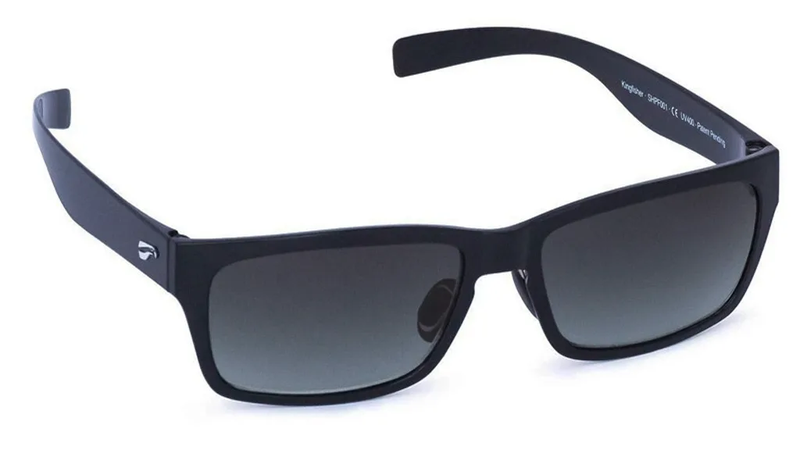
Posted by Richard G. on Oct 15th 2026
If you are searching for pilot sunglasses for night flying, the safest default is simple: do not wear dark or tinted sunglasses in a dark cockpit. Sunglasses reduce the light reaching your eyes, while night flying already gives you less available light and demands careful dark adaptation. At dusk, in haze, or during a transition from daylight to darkness, remove tinted sunglasses as conditions change unless a qualified aviation eye-care professional has given you different guidance.
Compare pilot sunglasses and lens options at Marv Golden Pilot Supplies
This does not mean pilots should ignore eye protection. It means daytime sunglasses and night-flight eyewear serve different jobs. The right choice depends on the outside light, cockpit lighting, the lens tint and transmission, your aircraft equipment, and your ability to read instruments and identify colors accurately.
Can pilots wear sunglasses at night?
In normal night operations, pilots should not use dark sunglasses or strongly tinted lenses. A dark lens can reduce the light available to your eyes when you need to see runway lighting, traffic, terrain, instruments, charts, and cockpit controls. It can also slow your adjustment when you move between a brighter area and a dark cockpit.
The same rule applies to many low-light situations. If the sun is below the horizon, the cockpit is dark, or you are relying on outside lights and instrument illumination, a daytime sunglass tint may be counterproductive. Take the glasses off before entering the low-light environment rather than waiting until your vision feels inadequate.
There is a useful distinction between sunglasses and clear protective eyewear. Clear, non-tinted eyewear may be appropriate for a specific aircraft, work environment, or eye-protection need when it does not block useful light or interfere with a headset. It is not a tool for creating better night vision, though. Any protective eyewear should be compatible with the aircraft, headset, and operating procedures.
Why tinted lenses can be a problem in low light
Your eyes need available light to form a useful visual image. A sunglass lens filters part of that light before it reaches your eyes. That can be helpful in bright daytime conditions, but the tradeoff changes as ambient light falls.
Dark adaptation takes time
When you move from bright surroundings into darkness, your eyes need time to adjust. AOPA's night-flying guidance explains that night operations place special demands on vision, and its night-vision training tip notes that pilots should allow roughly 30 minutes for dark adaptation before a night flight. See the AOPA night-vision preparation guidance for the full context.
Putting on dark glasses during that transition works against the goal. So can walking from a brightly lit hangar, ramp, or building directly into a dark cockpit without giving your eyes time to adjust. Remove tinted glasses before the transition and keep bright light exposure as limited as practical during preparation.
Color recognition matters
Night flying still requires you to interpret colors. Navigation lights, airport lighting, signals, charts, warning indicators, and instrument displays can all depend on color or contrast. A lens that changes color balance may make those tasks harder.
The FAA's Sunglasses for Pilots brochure specifically warns that yellow, amber, and orange blue-blocking tints can distort colors. The brochure also says those tints are often promoted for sharper vision without scientific studies supporting that claim. That is a good reason to avoid treating a fashionable or strongly colored lens as a night-vision aid.
Instrument visibility can change
A lens may make a display look more comfortable in glare while reducing the overall brightness you need in low light. If you have to squint, lean toward a display, or increase instrument brightness to read normally, the lens is not a good fit for that lighting condition. Remove the glasses.
Do not assume that a lens marketed for contrast will improve every cockpit view. Evaluate it in the actual aircraft, with the actual displays and lighting, during the conditions in which you intend to fly. Never let eyewear become a reason to accept reduced instrument readability.
What about sunglasses at dusk, in haze, or under an overcast?
Low light is not a single condition. A pilot may start a flight in full sun, continue through haze, enter cloud, fly toward sunset, or land after dark. The correct lens choice can change during one flight.
During bright daytime flight, well-chosen sunglasses can reduce glare and eye fatigue. As the light level falls, the same lens may become too dark. The important question is not whether a pair is labeled pilot sunglasses. Ask whether the lens lets you see the outside environment, instruments, charts, and colors clearly right now.
At dusk, keep the sunglasses easy to remove. Do not wait for total darkness if the lens is already reducing clarity. In haze or an overcast, avoid making a yellow, amber, orange, or very dark lens your default solution. The FAA recommends avoiding appreciable color distortion and cautions against lenses that block more than 85 percent of visible light for flying. That guidance is aimed at flight eyewear generally, not a permission slip to wear tinted glasses at night.
If you are unsure whether conditions are still appropriate for your chosen lens, remove it and compare your view. If the scene, instruments, or colors are clearer without it, leave it off. If you have a vision concern that makes this decision difficult, get an individualized evaluation from an eye-care professional familiar with aviation needs.
Are photochromic lenses suitable for night flying?
Photochromic lenses are designed to change darkness as light conditions change. That sounds convenient for a pilot who moves between bright and dim environments, but it does not guarantee a clear night-flight lens.
The FAA brochure explains that photochromic lenses may not become fully clear enough for flying in cloud cover or at night. It also notes that reduced ultraviolet exposure inside a cockpit can limit how effectively some photochromic lenses change. In other words, the lens may not respond exactly as you expect when you are behind a windshield or under a roof.
Do not rely on a photochromic lens to make the decision for you. Before using one for flight, learn how it behaves in your aircraft, at your normal operating temperature, and in the lighting conditions you actually encounter. If it remains visibly tinted in low light, treat it as a sunglass lens and remove it when the cockpit becomes too dark.
A photochromic lens also should not be confused with a clear lens. The faded state may look lighter than its outdoor state while still reducing light or changing color. Check the view, not just the marketing description.
What lens features matter for pilots?
For daytime flying, the best lens is not necessarily the darkest one. A pilot needs a balanced combination of light control, color fidelity, optical clarity, UV protection, and comfortable equipment fit. For low-light or night operations, the priority shifts toward preserving available light and keeping colors and displays easy to interpret.
| Feature | Daylight use | Low-light or night decision | What to check |
|---|---|---|---|
| Lens darkness. | Controls glare in bright conditions. | Dark lenses can reduce useful light. | Remove tinted lenses as light falls. |
| Color tint. | May change contrast or visual comfort. | Strong color can distort signals and displays. | Favor accurate color recognition. |
| Photochromic behavior. | May adapt outdoors. | May not clear fully inside a cockpit. | Test the lens in the actual aircraft. |
| Frame and temples. | Should stay comfortable for long flights. | Should not create pressure or interfere with gear. | Check headset, helmet, and control access. |
Gray is often considered a practical daytime tint because it tends to preserve color balance better than strongly colored lenses. The FAA discusses gray, gray-green, and brown lenses as common choices, while recommending that pilots avoid appreciable color distortion. The right selection still depends on your individual vision and operating environment.
Do polarized sunglasses work for night flying?
No. Polarized sunglasses are not night-flight eyewear. They reduce light transmission, so they are a poor choice when the cockpit or outside environment is already dark.
Polarization can also interact with some displays and windshields in ways that reduce readability or create uneven patterns. The exact effect depends on the aircraft and equipment. Test any daytime polarized eyewear carefully, and never carry the daytime glare solution into a low-light flight simply because it is comfortable outdoors.
For a broader explanation of daytime cockpit eyewear, including frame design and polarization considerations, read why pilots wear aviator sunglasses. That article covers the daytime use case. This page's night-flight answer remains more conservative: remove tinted eyewear when it interferes with low-light vision.
How to Choose Pilot Sunglasses for Night Flying
A practical preflight check can prevent a small equipment choice from becoming a distraction after takeoff.
- Start with the light outside. Decide whether you are flying in bright daylight, twilight, haze, cloud, or full darkness. Do not choose the lens from the product name alone.
- Check the actual view. With the eyewear on, read the instruments, identify the relevant colors, inspect the outside view, and read the materials you need for the flight. Repeat without the eyewear.
- Remove dark lenses before the low-light transition. Keep the case accessible so you are not searching for it in a dark cockpit. Do not place loose glasses where they can obstruct controls.
- Protect your night adaptation. Reduce unnecessary bright-light exposure before departure. Follow your aircraft procedures and use the cockpit lighting that your training and operating guidance call for.
- Check equipment compatibility. Make sure the frame and temples do not interfere with your headset, helmet, eye protection, or other required equipment. The FAA calls out headset and protective-equipment compatibility when discussing pilot sunglasses.
- Ask an aviation eye-care professional when needed. If corrective lenses, an eye condition, glare sensitivity, or a medical concern affects your choice, get personalized advice instead of experimenting during a flight.
Night flying also benefits from a sensible cockpit-lighting plan. AOPA recommends preserving dark adaptation and describes using red lighting for in-flight tasks rather than exposing your eyes to unnecessary white light. Marv Golden's pilot flashlight collection is a useful place to review cockpit lighting options, but choose the tool that matches your aircraft procedures and training.
Where to shop for aviation sunglasses
When you need daytime sunglasses, start with the use case instead of the frame style. Look for clear optics, appropriate UV protection, sensible color balance, and a frame that works with your headset. Keep in mind that a quality daytime pilot sunglass is still not a night-flight lens.
Marv Golden's Flying Eyes sunglasses collection is one path for reviewing aviation-oriented frame options. The main pilot sunglasses category also includes other brands and styles. Check the individual product details, lens description, and fit before choosing a pair for daytime use.
Frequently asked questions
Should pilots wear sunglasses during a night flight?
Generally, no. Dark or tinted sunglasses reduce available light and may interfere with dark adaptation, color recognition, and instrument readability. Remove them as daylight fades unless an aviation eye-care professional has provided specific guidance for your situation.
Can pilots wear clear glasses at night?
Clear glasses do not filter light like sunglasses, but they are not automatically required or beneficial for every pilot. Use only eyewear that fits your vision needs, aircraft procedures, headset, and any applicable eye-protection requirement.
Are yellow pilot sunglasses better for night vision?
Do not assume so. The FAA says yellow, amber, and orange tints can distort colors and notes that claims about sharper vision are not supported by scientific studies. They should not be treated as a substitute for dark adaptation or as a general night-vision aid.
Can photochromic glasses be used for night flying?
They may remain tinted in low light, cloud, or a cockpit. The FAA warns that some photochromic lenses may not become clear enough for night use. Test the exact lens in your aircraft and remove it if it reduces clarity or color recognition.
What should a pilot do if sunglasses make instruments easier to read?
Verify the effect carefully in the actual aircraft and conditions. If the glasses help with daytime glare but reduce visibility later, remove them as the light changes. When a vision issue persists, ask an eye-care professional familiar with aviation rather than relying on a darker tint.
In short, sunglasses are primarily a daylight tool. For night and low-light operations, protect the vision you have by preserving dark adaptation, avoiding unnecessary tint, keeping colors accurate, and making sure your view of the aircraft and outside environment remains clear.