
Posted by Richard G. on Oct 8th 2026
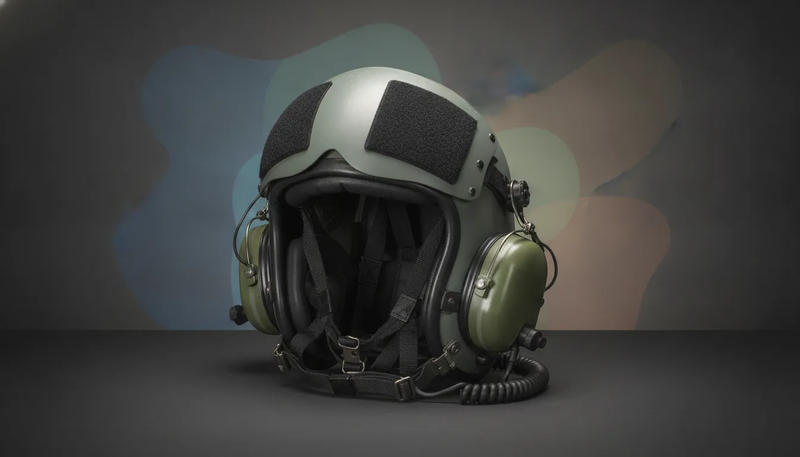
On a busy flight deck, head protection has to work alongside hearing protection and communications equipment, not compete with it. A cranial assembly is built around that practical need: it helps protect the wearer from bumps and impacts while supporting the headsets or hearing protectors used in demanding aviation and ground-support environments.
A flight deck cranial helmet is protective headgear that typically combines a shell, suspension liner, impact-absorbing padding, and a secure chin strap. The design is intended for flight-deck and related ground operations, while compatible hearing or communications equipment handles the audio function. It is not automatically interchangeable with an aircrew pilot helmet or a communications headset.
That distinction matters when you are comparing equipment, checking compatibility, or replacing a single component instead of buying a complete assembly. Marv Golden's flight deck helmet category includes complete kits and related replacement parts. First, it helps to understand what the assembly is designed to do and which users rely on it.
What Is a Flight Deck Cranial Helmet?
A flight deck cranial helmet is a form of protective headgear designed for work around aircraft, especially flight decks and other demanding aviation environments. The term generally describes an assembly that combines a protective shell and interior support with hearing protection or communications equipment. It is not simply another name for a pilot headset, and it should not automatically be treated as an in-flight aircrew helmet.
The protection function is the central distinction. According to David Clark's description of flight-deck head-protection assemblies, rugged components are intended to provide bump and impact protection in harsh environments. That makes a cranial helmet relevant where personnel may work near aircraft, equipment, or other sources of incidental contact. Bump protection is a practical description of the equipment's intended role. It is not a promise that every model provides the same level or type of protection in every incident.
A cranial assembly can also help the wearer communicate and manage noise without giving up that protective structure. A flight deck helmet assembly may provide impact protection while the user wears hearing protectors or noise-attenuating headsets. This integrated approach matters in loud aviation settings. Clear communications and hearing protection may be operational needs rather than optional accessories. Compatibility still depends on the specific helmet, headset, hearing protector, connectors, and configuration. The fact that one assembly works with particular equipment does not prove that all cranial helmets work with all aviation headsets.
In practical terms, the concept sits between protective headgear and communications equipment. A shell and suspension or padding system address fit and head protection, while the hearing or headset component addresses audio, noise attenuation, or radio communication. The exact arrangement varies by product. Some assemblies may be built around a particular manufacturer ecosystem, while others may use different components or mounting methods.
The general term also should not be confused with a product-specific certification or performance claim. A manufacturer may document a particular model against a named specification, but that documentation belongs to that model and configuration. It does not establish that every product described as a flight deck cranial helmet carries the same approval. Before selecting equipment, verify the manufacturer's current documentation and confirm that the intended shell, liner, hearing protection, and communications setup match the work environment. For related equipment, explore Marv Golden's flight deck helmet category without assuming that category listings are interchangeable with one another.
Who Uses Flight Deck Cranials on Aircraft Carriers and Around Aircraft?
A flight deck cranial helmet may be useful for people who work close to aircraft rather than inside the cockpit. The equipment is associated with flight-deck and ground-communication environments, where workers may need bump or impact protection while also using hearing protection or noise-attenuating communications equipment. The exact requirement depends on the role, aircraft operation, local procedures, and the specific equipment selected.
On an aircraft carrier, potential users can include personnel who move around the flight deck, coordinate aircraft activity, inspect equipment, or support launch and recovery operations. A cranial can also be relevant to maintainers and other workers who spend time near aircraft, vehicles, tools, or other moving equipment. That does not mean every person in one of these roles uses the same helmet, or that a cranial replaces an approved aircrew helmet.
Roles that may use a cranial-style setup
- Flight-deck personnel: Workers operating in a crowded, active environment may value a low-profile protective assembly that works with their communication needs.
- Aircraft maintainers: Maintenance areas can involve overhead structures, tools, aircraft surfaces, and frequent movement. Fit, retention, and clearance can matter as much as basic protection.
- Ground-support workers: Airport and aviation ground-support personnel may work around engines, service vehicles, ramps, and aircraft communications. Marv Golden identifies airport ground-support personnel among the audiences it serves.
- Specialized aviation teams: Military aviation personnel and other aviation professionals may need role-specific head protection and communications integration, subject to their organization's requirements.
Across these settings, the practical needs are similar. The helmet should remain stable during movement, allow the user to hear or communicate as the job requires, and fit the selected hearing-protection or headset components. Noise exposure, impact hazards, heat, ventilation, and time spent wearing the equipment can all affect the best setup. Compatibility should be confirmed for the specific model rather than assumed from appearance alone.
Marv Golden serves military aviation personnel, aviation professionals, institutions, and customers worldwide. Its staff includes pilots, Certified Flight Instructors, aviation experts, and military veterans. That makes the company a useful starting point when a buyer needs to compare a flight deck cranial helmet with other aviation head-protection or communication equipment. Learn more about Marv Golden's aviation expertise.
What Components and Features Should You Expect?
A flight deck cranial helmet is a system of parts, not a single interchangeable piece of equipment. The exact construction depends on the model, configuration, and intended use. So buyers should verify the product description rather than assume that every helmet includes the same liner, pads, or communications hardware. A typical assembly combines a protective shell with suspension and impact-management components, while allowing hearing protection or a compatible headset to be worn with it.
| Component | What to verify |
|---|---|
| Front and back shell | Confirm whether the configuration includes both shell sections. Check the material and construction, plus whether replacement front or back sections are available. |
| Suspension liner | Check the liner design, sizing options, ventilation, and the materials used for comfort during extended wear. One documented assembly uses cotton, polyester, and nylon mesh in a one-size liner. |
| Energy-absorbing pads | Verify which impact pads are included, where they sit, and whether front, back, nape, or other replacement assemblies are offered. |
| Chin strap | Look for an adjustable retention system that holds the helmet securely without making removal unnecessarily difficult. A documented flight deck assembly uses hook-and-pile fastening. |
| Hearing and communications integration | Confirm the hearing protector or headset model, connector and mounting arrangement, noise-attenuation needs, and stated compatibility. Do not assume a headset will fit every shell or liner. |
| Shell and liner colors | Confirm the available color and any local assignment requirement. Manufacturer options may include white, black, brown, blue, green, red, yellow, or purple, but color meanings are not universal. |
The shell provides the outer structure, while the suspension liner and pads help position the helmet and manage contact during bumps or impacts. The chin strap matters for retention, especially when the wearer is moving around aircraft or working in changing conditions. Comfort is not a cosmetic detail: ventilation, liner materials, pad placement, and fit can affect how consistently the helmet is worn.
Communications should be checked as a complete setup. David Clark describes its flight deck assemblies as compatible with many of its hearing protectors and noise-attenuating military headsets, but compatibility remains model-specific. Confirm the actual headset, connector, mounting method, and required hearing protection before ordering. Marv Golden's guide to choosing aviation communication gear can help frame that evaluation.
The K-10 is a useful example of why model details matter. It is a distinct full-enclosure assembly with its own suspension liner, protective nape pad, nylon shell, and energy-absorbing pads. It should not be treated as proof that every flight deck cranial uses a full-enclosure design. For replacement work, compare the exact part and assembly, such as a front shell, back shell, or protective pad assembly, with the helmet already in service.
For the source specifications behind these examples, see the manufacturer's flight deck and ground head protection information. Product documentation should control the final decision, particularly when protection requirements or communications compatibility are operationally important.
What Do the Different Flight Deck Cranial Colors Mean?
Color can be useful for identifying equipment, but it is not a universal job-code system. Manufacturers may offer several shell colors for the same flight deck cranial helmet. For example, David Clark lists white, black, brown, blue, green, red, yellow, and purple shells for its Flight Deck Helmet Assembly. That product availability does not establish one Navy-wide or industry-wide meaning for each color.
On an active flight deck or other demanding aviation worksite, color conventions may be set by a particular command, operator, facility, contract, or era of service. One organization may use color to distinguish roles, while another may select colors for visibility, inventory control, camouflage considerations, or simple preference. The same color can therefore have different meanings in different workplaces. Do not assume that a red, yellow, blue, or white shell automatically identifies a specific position or qualification.
The practical question is whether the shell color matches the requirements of the environment where the helmet will be used. If you are replacing an existing unit, match the approved system rather than choosing a color based on a general online chart. The shell, liner, pads, chin strap, and communications equipment must also correspond to the correct assembly and use case. Color alone cannot confirm fit, protection, compatibility, or approval.
- Ask the responsible supervisor, safety office, supply team, or contracting authority which colors are authorized locally.
- Check the manufacturer documentation for the exact helmet assembly and replacement part.
- Match the model, shell configuration, liner, pads, and communication components, not just the visible color.
- Confirm whether the requirement applies to a new helmet, a replacement shell, or a complete assembly.
- Keep a record of the approved configuration before ordering replacement equipment.
When local guidance is unclear, pause before purchasing. A qualified aviation equipment specialist can help identify the exact replacement system, but the workplace authority remains the source for role-color requirements.
Source: David Clark flight deck head-protection information.
How Is a Cranial Different From a Pilot Helmet or Aviation Headset?
The key difference is the job each piece of equipment is designed to perform. A flight deck cranial helmet is generally built around a protective shell, suspension system, and impact-absorbing padding for demanding work around aircraft. A pilot helmet is typically an aircrew helmet designed for in-flight use, while an aviation headset primarily supports communication and hearing protection. The categories can overlap in features, but they are not interchangeable.
Flight deck cranial helmets: protection for work around aircraft
A cranial is intended to help protect the head from bumps and impacts in environments such as flight decks and ground communication areas. A typical assembly may include a suspension liner, front and back shell components, and energy-absorbing impact pads. Some designs are intended to be worn with hearing protectors or noise-attenuating headsets, rather than replacing those communication components. David Clark describes its flight deck assemblies in this role, combining head protection with the ability to use compatible hearing equipment.
That distinction matters operationally. The shell and padding address physical contact hazards, while the headset or hearing protector handles communication and sound attenuation. The exact level of protection, fit, and compatibility depends on the documented model and configuration. A cranial should therefore be selected for the work environment and the communications equipment it must accommodate, not simply because it resembles a pilot helmet.
Pilot helmets: integrated aircrew equipment
An aircrew or pilot helmet is designed around the needs of someone operating in flight. Depending on the model and mission, an aircrew system may integrate retention, hearing protection, communications, visor or eye protection, and other model-specific features. Those functions are part of an integrated flight helmet system and should be evaluated against the aircraft, aircrew role, and applicable equipment documentation.
That does not make every pilot helmet suitable for flight-deck ground work, and it does not make every cranial suitable for flight. The correct choice depends on the intended role, required protection, fit, and approved communications setup.
Aviation headsets: communication and hearing protection
An aviation headset is primarily a communications and hearing-protection device. It connects the user to the aircraft or communications system through the appropriate plug, wiring, or adapter and may provide passive or active noise reduction. It generally does not provide the same protective shell and impact-management function as a cranial. For an accessible overview of selection factors, see Marv Golden's choosing aviation communication gear guide.
What buyers should verify
- Intended use: Confirm whether the equipment is specified for flight-deck work, ground support, aircrew use, or general cockpit communication.
- Protection function: Read the manufacturer documentation for the stated impact, hearing, retention, or eye-protection features. Do not assume one category provides another category's protection.
- Compatibility: Verify the exact headset, hearing protector, connector, adapter, shell, liner, and pad combination. Compatibility claims are model-specific.
- Documentation and approvals: Check the current manufacturer specifications and any required organization or procurement standard. A general specification or a similar-looking product is not proof that a particular item meets your requirement.
When the intended environment is unclear, describe the task, aircraft or work area, communications equipment, and required protective functions before choosing a product. That information is more useful than treating a cranial, pilot helmet, and headset as interchangeable versions of the same gear.
How Do You Choose the Right Flight Deck Cranial Setup?
Choosing a flight deck cranial helmet setup is less about selecting the most heavily equipped option and more about matching each component to the work environment. Use this checklist before ordering, especially when replacing parts or integrating hearing protection and communications equipment.
- Identify the role and environment. Start with where the helmet will be used and what the wearer does there. Flight-deck crews, military aviation personnel, and airport ground-support workers may face different space, noise, movement, and communication demands. A cranial intended for ground or flight-deck work should not automatically be treated as a substitute for an aircrew flight helmet or a general aviation headset.
- Define protection and communications needs. Decide whether the priority is bump and impact protection, hearing protection, communications, or a combination. Some assemblies are designed to provide impact protection while hearing protectors or noise-attenuating headsets are worn. Confirm the required headset or hearing protector before assuming it will fit, connect, or operate with a particular shell.
- Confirm the fit, liner, and components. Check head fit, liner construction, chin-strap adjustment, padding, and shell coverage. A documented Flight Deck Helmet Assembly can include a suspension liner, front and back shell assembly, and energy-absorbing impact pads. The hook-and-pile chin strap on the referenced assembly is intended to support secure fitting and easier removal. Review the exact product documentation rather than assuming every cranial uses the same arrangement. Flight deck helmet protective pad options may make sense when the shell remains serviceable.
- Verify model documentation and compatibility. Match the manufacturer, model, shell style, liner, headset, connector, and mounting or attachment method. If you are considering a K-10 configuration, read the documentation for that specific model. David Clark describes the K-10 shell as manufactured to MIL-H-85847A, but that statement should not be extended to unrelated products. For communications equipment, confirm compatibility from current manufacturer or seller documentation before purchase. A David Clark K10 helmet kit is a model-specific starting point, not a universal replacement for every cranial setup.
- Decide between a replacement component and a complete kit. Replace only the worn or damaged part when the remaining components are known to match and remain suitable for the intended use. Review the flight deck helmet front shell and flight deck helmet back shell pages for component-specific options. Choose a complete kit when starting from scratch, changing configurations, or lacking confidence that existing parts are compatible.
When the model, fit, or communications interface is uncertain, gather the helmet and headset details before ordering. Product documentation and knowledgeable aviation equipment guidance can prevent an otherwise avoidable mismatch.
Frequently Asked Questions
What is a flight deck cranial helmet designed to do?
A flight deck cranial helmet provides a protective shell, suspension or liner, and impact-absorbing components for demanding flight-deck and ground-communication environments. Some assemblies are designed to be worn with hearing protectors or noise-attenuating headsets. So the helmet and communication equipment work as a coordinated setup rather than as interchangeable products. See the manufacturer's flight-deck head-protection information for model-specific details.
Can I use a flight deck cranial helmet instead of a pilot helmet?
Do not assume they serve the same purpose. A cranial generally emphasizes bump or impact protection and integration with communications equipment around aircraft. While an aircrew pilot helmet may be designed for in-flight use with different fit, retention, protection, and documentation requirements. Confirm the intended application and manufacturer guidance before substituting one for the other.
Do flight deck helmet colors mean the same thing everywhere?
No. Manufacturers may offer multiple shell colors, but the meaning assigned to a color can vary by command, operator, era, or work setting. Treat color as an organization-specific requirement, not a universal aviation code. Verify the required color with the responsible supervisor or unit before ordering.
What should I verify before buying one?
Verify the intended role and environment, shell and liner fit, required impact protection. Communication or hearing-protection compatibility, connector requirements, and whether you need a complete kit or a replacement component. Check the exact model documentation rather than relying on a general category description. If you are replacing a shell, liner, or pad, confirm that the component matches the rest of your assembly.
Ready to Find the Right Flight Deck Helmet Gear?
The right setup depends on the aviation application, the protection needed, and how the helmet works with related communication components. Get started by browsing Marv Golden's flight deck helmet category for helmet kits, replacement parts, and related components.