
Posted by Richard G. on Oct 8th 2026
On a carrier flight deck, hearing protection is part of the job, not an optional accessory. Jet engines, moving aircraft, and a fast-changing work area demand equipment that protects personnel without losing the communication and awareness needed to work safely.
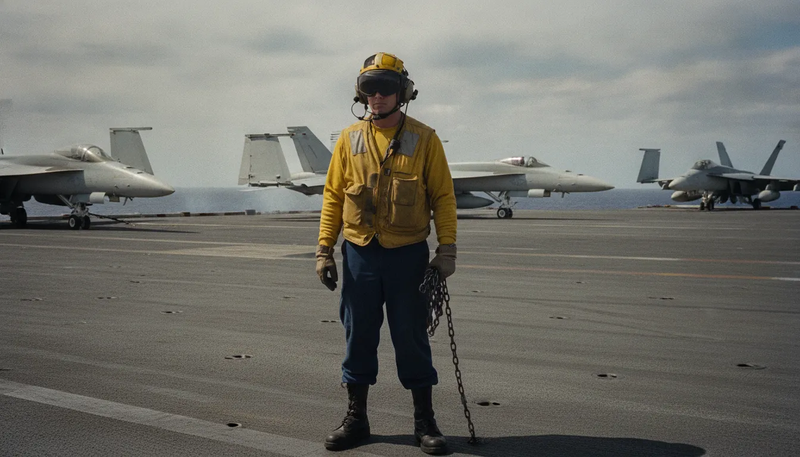
A flight deck cranial is a protective helmet designed for flight deck personnel working around extreme aircraft noise and potential impact hazards. Depending on the work area and communication requirements, the system may combine layered hearing protection with electronic hear-through, a boom or cup microphone, or a sound-powered phone. NAVAIR notes that communication systems are matched to the noise level and operational need, especially near jet exhaust and other high-noise zones.
That purpose helps explain why military crews, maintainers, veteran aviators, and procurement teams evaluate more than appearance or brand alone. Fit, protection, communication compatibility, and dependable construction all matter. Before comparing specific helmets and headsets, it helps to define what a cranial is, who relies on it, and how its role differs from other aviation headgear.
Browse Marv Golden's flight deck cranial and military headset lineup to start comparing options for active-duty crews and veteran aviators.
What Is a Flight Deck Cranial and Who Wears It?
A flight deck cranial is a specialized protective helmet for personnel who work around aircraft on an aircraft carrier or other high-noise aviation environment. It combines impact protection with hearing protection and, in some configurations, an integrated communication system. The goal is practical: help protect the wearer's head and hearing while allowing the crew to coordinate safely around running aircraft, moving equipment, and rapidly changing deck operations.
The U.S. Navy describes this type of protection as a response to the extreme conditions found on the flight deck. Depending on where a person works, jet noise can challenge communication, effectiveness, and the pace of flight operations. NAVAIR notes that newer hearing-protection helmets can combine multiple layers of hearing protection, impact protection, and electronic hear-through technology for improved auditory awareness. Read NAVAIR's overview of hearing protection in extreme noise environments.
Who wears a flight deck cranial?
Aircraft carrier flight deck personnel are the most familiar users. This group includes crew members who direct aircraft, handle equipment, marshal launches and recoveries, and perform other tasks close to aircraft engines. Their work requires protection that stays secure during constant movement without blocking the communication cues needed to respond to signals and instructions.
Ground support crews may also wear a cranial when their duties place them near operating aircraft or other substantial noise and impact hazards. Aviation maintainers are another important user group. Maintenance personnel may work around parked or active aircraft, support equipment. And confined areas where a protective helmet and reliable communications are more useful than a standard aviation headset alone. The exact configuration depends on the work area, communications system, unit requirements, and the level of hearing and impact protection needed.
Cranial versus a full flight deck helmet
The terms are sometimes used interchangeably, but they can describe different levels of equipment. A cranial generally refers to the protective helmet shell and its associated suspension, padding, hearing protection, or communications components. A full flight deck helmet may describe a more complete configuration that includes the shell, front protection, integrated ear cups, microphone, wiring, and other mission-specific components. Always confirm what is included in a particular kit before ordering, especially when replacing one component rather than outfitting a complete user.
For buyers building or repairing a setup, Marv Golden offers a flight deck cranial assembly kit for a more complete starting point. The right choice should follow the wearer's role and operating environment, not just the product name. A flight deck cranial protects the foundation of the system, while the headset and communication components determine how effectively the user can hear and be heard.
The Extreme Noise Environment That Makes a Cranial Essential
A flight deck is not simply a busy workplace around aircraft. It is an environment where personnel may work close to running jet engines, moving aircraft, and rapidly changing operations. The resulting noise can challenge communication, reduce effectiveness, and affect the tempo of flight operations. The Naval Air Systems Command (NAVAIR) identifies these conditions as a serious safety and readiness concern, not merely an inconvenience. NAVAIR's overview of hearing protection in extreme noise environments explains why specialized protective equipment is necessary.
Hearing protection has to work alongside impact protection
On a carrier flight deck, hearing protection cannot be treated as an afterthought. Repeated exposure to intense aircraft noise can place hearing at risk. While inadequate communication can make it harder for crew members to receive instructions, coordinate movement, or recognize changing hazards. Personnel also need protection from potential impacts while working around aircraft and support equipment.
That combination is what distinguishes a cranial from ordinary headwear. NAVAIR describes its flight deck helmet as providing layers of hearing protection together with impact head protection and electronic hear-through capability designed to restore auditory situational awareness. In practical terms, the protective system must reduce damaging noise without disconnecting the wearer from the operation. The goal is safer work, not silence at the expense of awareness.
Communication systems must match the noise level
Noise conditions are not identical across every position on the deck, so one communication setup cannot serve every task equally well. NAVAIR notes that communication systems are selected according to the noise level and communication needs near jet noise. In the highest-noise areas, sound-powered phone systems may be used. In medium-noise areas, boom or cup microphones may provide the appropriate communication approach.
This is why selecting a flight deck cranial involves more than choosing a shell that fits. The hearing protection, microphone configuration, phone or headset connection, and intended work position all need to function as one system. A setup that works for a maintenance task in a moderate-noise area may not be suitable beside an operating engine. Matching the communication equipment to the environment helps personnel hear essential instructions while maintaining the protection their work requires.
For crews and support personnel, the right cranial is therefore a safety decision grounded in the actual operating environment. Fit, compatibility, and intended use matter because hearing protection only helps when it is worn correctly and supports the communication demands of the job.
Flight Deck Cranial vs. Helmet vs. Headset: What's the Difference?
These terms are often used interchangeably, but they describe different parts of a flight deck communication and protection system. A cranial is primarily protective headgear for personnel working around aircraft. A flight deck helmet combines a protective shell with a specific hearing or communication setup. An aviation headset is the communication and hearing-protection component itself, and may be worn with or without a helmet depending on the aircraft and mission.
The right choice depends on where you work, how much impact protection you need, the communication system in use, and the fit required for long shifts. The comparison below provides a practical starting point.
| Equipment | Primary protection | Hearing protection | Communication | Typical user |
|---|---|---|---|---|
| Flight deck cranial | Protective shell and impact coverage for the head, with a secure fit for active work around aircraft. | Depends on the installed earcups, ear protectors, and the surrounding communication system. The shell alone is not a complete hearing-protection specification. | May be configured with a boom microphone, cup microphone, or other system matched to the operating environment. | Flight deck crew, aircraft handlers, and other personnel working near aircraft movement and engine noise. |
| Full flight deck helmet | Integrated helmet assembly designed for flight deck work, including the shell, suspension or padding, and selected ear or communication components. | Determined by the headset or ear protector installed in that helmet configuration. | Configuration-specific. The HGU-24P uses the HSC-61C headset, while the HGU-25P uses the 9AN/2 ear protector. These are the same basic helmet with a different headset or ear-protection component. | Personnel assigned to carrier flight decks or similar high-noise aircraft operating areas. |
| Aviation headset | Primarily a communication and hearing-protection device. It does not provide the same head-impact coverage as a cranial shell. | Varies by model and fit. For example, the David Clark H10-76 is specified with 24 dB of passive noise attenuation. | Headset speakers and a microphone connect to the aircraft or ground-support communication system. The H10-76 is designed for aircrew and ground support communications. | Pilots, aircrew, ground support personnel, and other users who need reliable audio without a full protective helmet. |
How the components work together
A flight deck setup is not always an either-or decision. A durable flight deck cranial shell provides the structural foundation, while a properly selected headset, ear protector, and protective flight deck cranial padding determine fit, comfort, and communication performance. Before replacing one component, confirm how it interfaces with the rest of the assembly.
For HGU-24P and HGU-25P equipment, the distinction is especially important: the helmet designation changes with the installed communication or ear-protection component. Not because the basic helmet shell is a completely different design. In a high-noise area, select the configuration approved for your operation and verify connector, microphone, and ear-protection compatibility before use.
What Makes the David Clark H10-76 the Military Headset Standard?
For aircrew and ground support personnel, a headset has to do more than make speech audible. It must preserve clear, reliable communication when engines, machinery, and operational activity compete for every decibel of attention. The David Clark H10-76 was designed for that mission-critical role, giving military crews a dependable communication platform for demanding cockpit and flight-line environments.
Built for clear communication in demanding environments
The H10-76 combines passive hearing protection with a noise-canceling microphone. Its ear seals help reduce surrounding sound before it reaches the listener, while the microphone is designed to focus on the speaker's voice and limit competing background noise. That combination matters when instructions must be understood the first time. Whether a crew member is coordinating on the flight deck or a ground support specialist is working near an aircraft.
Military crews choose equipment like the H10-76 because communication reliability is part of operational safety. A headset that fits securely, attenuates ambient noise, and transmits speech clearly can reduce the need to repeat instructions or remove attention from the task at hand. It also complements a broader flight deck cranial setup when personnel need both head protection and integrated communications.
What the 24 dB rating means
According to the David Clark H10-76 data sheet, the headset has a passive noise attenuation rating of 24 dB. Passive attenuation comes from the physical design of the headset, including its ear cups and seals. Unlike electronic noise reduction, it does not depend on creating an opposing signal. The headset physically limits how much external sound reaches the ears.
That distinction is useful when selecting equipment. Passive attenuation provides a consistent layer of protection, while the microphone and communications system address the separate challenge of transmitting and receiving speech. The H10-76 should therefore be evaluated as part of the crew's complete communications and hearing-protection setup, not as a substitute for every other required piece of protective gear.
Choosing the right headset for the mission
Fit remains as important as the published rating. Ear cushions should form a comfortable seal without creating pressure that encourages the user to adjust or remove the headset during work. The microphone should sit in the correct position and remain stable during movement. Cable routing, connector compatibility, and the aircraft or intercom system should also be confirmed before purchase.
Marv Golden carries high-quality pilot communication headsets for aviation users who need dependable equipment matched to their operating environment. The H10-76 is a strong reference point for military-style communications, but the best choice depends on the aircraft. Connection requirements, noise exposure, and whether the user also needs a cranial or helmet system.
Mil-Spec vs. Commercial Headset: How to Choose
The right headset depends less on the label and more on the aircraft, communication system, duty cycle, and environment. A flight deck cranial may be the right foundation for an active-duty crew member. While a commercial aviation headset may be the better fit for a private pilot or veteran flying in a civilian cockpit. Use this comparison to evaluate the equipment before you buy.
-
Start with fit and the job you actually perform
Fit affects both comfort and communication. Military crews may need a headset or cranial that stays secure during frequent movement, deck operations, ground support, or long maintenance periods. A private pilot may prioritize a lighter headset that remains comfortable through a cross-country flight. Veterans moving between military and civilian aircraft should identify whether they need a helmet-mounted system, a standalone headset, or gear that can serve as a backup. A secure seal around the ears and stable microphone placement matter more than a product description that simply says "professional."
-
Match noise attenuation to the cockpit
Noise control should suit the aircraft and mission. Passive attenuation can reduce the sound reaching the ear, but no headset eliminates every hazard or replaces proper hearing-conservation procedures. In high-noise military environments, the communication system, ear protection, and helmet or cranial may work together. In a quieter general-aviation cockpit, a commercial headset may provide the practical level of protection and clarity you need. Compare the manufacturer's published attenuation data, and avoid treating one decibel number as a guarantee of performance in every aircraft.
-
Confirm the microphone and communications connector
Microphone type and connector compatibility can determine whether a headset works at all. Check whether the aircraft uses a dynamic or electret microphone, how the microphone is powered, and whether the headset uses the required military or civilian connector arrangement. Adapters can solve some compatibility issues, but they do not automatically correct an unsuitable microphone, wiring configuration, or impedance requirement. Before ordering, verify the aircraft radio and intercom specifications with the operator, unit, or maintenance team. This is especially important when replacing military equipment with commercial gear.
-
Evaluate durability without assuming certification
Military-oriented equipment is often selected for demanding use, replaceable components, and serviceability. Commercial equipment can also be durable and reliable, but its commercial availability does not make it mil-spec or military-certified. Treat certification, testing, and approved-use claims as separate questions. Ask for the manufacturer's documentation rather than assuming that a rugged appearance proves compliance. For replacement planning, check whether cushions, microphones, cables, and other wear items are available. That service life can matter more than a small difference in purchase price.
-
Compare total value and get a compatibility check
Purchase price is only one part of the decision. Include adapters, replacement parts, maintenance, shipping, and the cost of an incorrect configuration. Active-duty buyers should confirm approved equipment and connector requirements before purchasing. Veterans and private pilots can weigh comfort, noise protection, warranty support, and the aircraft they fly most often. Review Marv Golden's guide to choosing the right aviation headset, then compare suitable high-quality pilot communication headsets against your actual cockpit needs. If the details remain unclear, pause the order and request an expert compatibility review.
Military Pilot Gear Checklist: What Active-Duty and Veteran Aviators Need
The right flight gear should support three priorities: protect hearing, preserve clear communication, and keep working through demanding operating conditions. Whether you are assembling a kit for active-duty flight operations, replacing worn equipment, or outfitting a veteran-owned aircraft project, use this checklist before you place an order. Start with the aircraft, mission, and existing intercom setup, then confirm that every component works together.
Protective headgear and fit
- Flight deck cranial: Confirm that the cranial provides the protective coverage and secure fit required for the work environment. Check the shell, suspension, chin strap, and adjustment points for cracks, looseness, or worn hardware. A cranial that shifts during movement can interfere with both protection and communication.
- Helmet or cranial accessories: Inspect pads, ear cups, seals, and other replaceable components. A worn pad assembly can affect comfort and fit, even when the main shell remains serviceable. Replace damaged parts rather than compensating with an unreliable fit.
- Hearing protection: Do not treat a headset as the only hearing-protection decision. Evaluate the noise exposure, duty cycle, and communication requirements together. NAVAIR notes that communication systems and hearing protection must be suited to the noise environment, with different approaches used across high- and medium-noise areas.
Communication equipment
- Military-compatible headset: Verify the headset type, microphone arrangement, ear coupling, and intended use. The David Clark H10-76 is designed for mission-critical communication among aircrew and ground support personnel, and its manufacturer data lists 24 dB of passive noise attenuation. Review the high-quality pilot communication headsets available for your application.
- Intercom and panel connectors: Identify the aircraft or vehicle intercom, connector type, wiring configuration, and required microphone or earphone characteristics before buying adapters. Similar-looking plugs do not guarantee compatible communications. If the setup is unusual, provide the equipment model and connector photos when requesting guidance.
- Comms test: Test transmit, receive, microphone clarity, volume control, and any push-to-talk arrangement before operational use. Confirm that the headset remains intelligible at the expected engine or flight deck noise level.
Durability and maintenance
Military aviation gear is exposed to vibration, repeated handling, weather, dust, sweat, and rapid transitions between storage and operation. Look for construction appropriate to the environment, but do not assume that a commercial product carries a military certification unless the manufacturer specifically documents it. Record model numbers and replacement-part details, clean equipment according to the manufacturer instructions, and keep spare consumables such as pads, seals, or adapters available.
For a broader equipment review, compare the options in Marv Golden's military communications gear collection. A complete checklist is not just a list of products. It is confirmation that the protective headgear, hearing protection, communications hardware, connectors, and maintenance plan are appropriate for the actual mission.
Ordering Military Aviation Gear Overseas: APO/FPO Shipping
Active-duty personnel and deployed crews should not have to compromise on communication, hearing protection, or flight deck safety because they are stationed outside the continental United States. Marv Golden Pilot Supplies supports orders addressed through APO, FPO, and DPO military mail systems. Making it possible to request essential aviation equipment such as a flight deck cranial, military headset, or related pilot gear for delivery to an authorized military address.
How APO, FPO, and DPO orders work
When placing an order, enter the recipient's full name, rank or duty designation when required. Unit or ship information, and the complete APO, FPO, or DPO address exactly as provided by the recipient. Use the appropriate military "state" abbreviation and ZIP code supplied by the service member. Do not substitute the overseas country or a civilian city for the military mailing information. Accurate formatting helps the package move through the military postal system without avoidable delays.
Before ordering, confirm that the recipient can accept the package at the listed address and that the gear is permitted under the unit's local receiving procedures. A deployed location may have different access, delivery, or package-handling rules than a permanent installation. If the buyer is ordering for a squadron, ship, or maintenance team, confirm the preferred recipient and unit details before submitting the order.
What to expect after the order ships
Military mail delivery does not follow the same timeline as a residential shipment. Transit time can vary with the destination, operational conditions, mail volume, routing, and the recipient's access to the installation or ship. Tracking may show limited updates while a package moves through military postal channels. Build in extra time when ordering before a deployment, qualification, maintenance cycle, or scheduled rotation.
For time-sensitive equipment, verify the address and expected delivery window with the recipient first. Keep the order confirmation and tracking details available, and contact the retailer promptly if the address changes or the package appears stalled. This is especially important for communication equipment, where the right headset and a properly fitted aviation headset selection can affect comfort and usability during long shifts.
As a veteran-owned retailer, Marv Golden understands that military buyers need practical answers, dependable gear, and straightforward service. Whether you are sending a flight deck cranial to an active-duty crew member or replacing a headset for a deployed aviation team. Our specialists can help confirm the product choice and shipping details before the order is placed.
Why a Veteran-Owned Pilot Shop Matters for Buying Military Gear
Military aviation equipment is not ordinary consumer gear. A flight deck cranial, communications headset, or replacement component has to fit the mission, the aircraft environment, and the person relying on it. That is why many active-duty crews, veterans, and military aviation buyers value a supplier that understands aviation from the inside out.
Marv Golden Pilot Supplies has served aviators for more than 40 years from San Diego, building its reputation around reliable flight equipment and practical service. As a veteran-owned pilot shop, Marv Golden brings an authentic connection to the military aviation community. That does not mean every product is automatically military-certified, and it does not replace checking a unit's technical requirements. It does mean customers can expect a conversation grounded in the realities of aviation, not a generic sales pitch.
Guidance shaped by aviation experience
Choosing military pilot gear often involves details that are easy to overlook. Is the priority hearing protection, clear communications, impact protection, compatibility with an existing system, or replacement of a worn component? A flight deck cranial may be the right solution for one role, while a military headset or another form of protective headgear may better suit another. Fit and configuration matter just as much as the product name.
For active-duty crews, that practical guidance can make it easier to identify the right equipment before placing an order. For veterans returning to flying, maintaining a personal kit, or supporting a current unit. It provides a knowledgeable starting point without assuming that every buyer already knows the latest configurations. Marv Golden's role is to help clarify the choices, verify product details, and direct customers toward equipment that matches the intended use.
Supporting the wider military aviation community
A veteran-owned business also understands the value of service beyond the transaction. Military aviators, maintainers, procurement teams, and veterans often need dependable access to specialized gear, replacement parts, and responsive answers. A supplier that treats those needs seriously helps preserve the standards of care, readiness, and professionalism that define aviation communities.
Marv Golden supports that mission with products for flight deck communications, protective equipment, and veteran pilot gear. Explore the military aviation equipment collection to review relevant categories, or use the headset guide when you need help narrowing down communication equipment. When you are ready to compare protective options, start with Marv Golden's flight deck cranial and military headset lineup to see what fits your mission. Whether you are replacing a worn flight deck cranial or building a more complete kit, experienced guidance helps you buy with confidence and focus on dependable performance.
Get expert help from the Marv Golden headset guide to confirm fit, connectors, and compatibility before you order.
Frequently Asked Questions
What is a flight deck cranial?
A flight deck cranial is protective headgear designed for personnel working near aircraft, especially where engine noise and possible impacts create added risk. It combines a protective shell with hearing protection and a communication system selected for the operating environment. NAVAIR describes this type of equipment as supporting hearing protection, impact protection, and communication in extreme noise conditions: NAVAIR flight deck safety guidance.
Is the David Clark H10-76 a flight deck cranial?
The H10-76 is a military headset, not a complete cranial helmet. It is intended to provide clear communications for aircrew and ground support, with a passive noise attenuation rating of 24 dB according to the David Clark H10-76 data sheet. Pair it with compatible protective headgear and communication equipment when the mission requires more than headset protection.
Do I need mil-spec equipment for civilian flight operations?
Not necessarily. Choose equipment based on your aircraft, communication system, noise exposure, fit, intended use, and any requirements set by your employer or agency. Military origins alone do not prove that a commercial product meets a particular certification or procurement standard. Confirm compatibility and documented specifications before ordering.
Can military aviation headsets be shipped to an APO or FPO address?
Many aviation retailers can ship eligible orders to APO and FPO addresses, but available services, packaging rules, and delivery times vary by destination and carrier. Confirm the complete military address format and any restrictions before checkout. For a deployed crew member or unit purchase, verify the receiving instructions with the recipient or procurement contact first.
Ready to Build Your Flight Deck Setup?
The right combination of cranial protection, headset communication, and supporting gear depends on how and where you fly. Marv Golden can help you narrow the options and build a practical setup for your mission, whether you are active-duty, a veteran aviator, or a professional pilot. Request expert help through the Marv Golden headset guide, and share what you need from your flight deck cranial and military headset system.