

Posted by Richard G. on Nov 13th 2025
When you’re spending hours at FL350, a heavy, clampy headset can turn a long leg into a headache, literally. That’s why so many airline, corporate, and turbine pilots look for lightweight commercial headsets that prioritize comfort and clear communication over brute-force noise blocking.
Modern flight decks are quieter than piston GA cockpits, so you can trade big over-ear “muffs” for slim in-ear and on-ear designs that still deliver excellent clarity and protection. Let’s walk through some of the top lightweight options available for pro flight decks today.
What Makes a Great Lightweight Commercial Headset?
Before looking at specific models, it helps to know what matters most for professional, turbine, and airline operations:
- Low weight & minimal clamp force
In quieter commercial cockpits, comfort becomes king. Lightweight on-ear or in-ear designs are far easier to wear over multiple legs than bulky over-ear GA headsets. - TSO authorization (for many airlines)
Many operators require TSO’d equipment, especially for primary headsets in Part 121/135 environments. - Clear, reliable communication
Mic intelligibility, stable sidetone, and consistent performance in all phases of flight are more important than massive passive noise reduction. - Smart noise management
You may not need extreme ANR like in a piston, but good active noise reduction or highly effective passive in-ear sealing can reduce fatigue over long duty days. - Durability & packability
Durability, robust cables, and compact storage make a difference for pilots commuting, jumpseating, or swapping aircraft frequently.
With that in mind, here’s how the standout lightweight options compare.
In-Ear Minimalism: Clarity Aloft Headsets
If you want something that feels almost like wearing nothing at all, Clarity Aloft is hard to beat.
Clarity Aloft headsets use special foam ear tips that seal the ear canal, paired with a very light wire headband. Because the foam creates such an effective passive seal, they don’t rely on ANR electronics; you get impressive noise reduction simply from the in-ear design that blocks noise and delivers crisp audio.
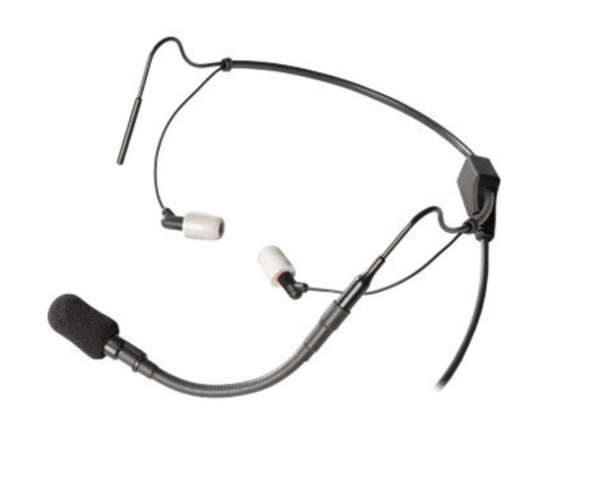
Why commercial pilots like Clarity Aloft
- Extremely lightweight: There’s virtually no “headset fatigue” because there are no bulky earcups or heavy clamping force.
- Impressive passive noise isolation: The foam tips seal the ear canal, so Clarity Aloft doesn’t need electronic ANR to give you a quiet environment.
- Minimal interference with hats, sunglasses, or sidewall: Great in tight cockpits or if you’re frequently looking down at the panel, FMS, or EFB.
- Clear, natural audio: Many pilots feel in-ear audio is more “direct” and easier to understand on long days.
For airline and corporate pilots, the Clarity Aloft Pro Plus (TSO) is often the go-to choice, giving you the benefits of the Clarity Aloft design in a TSO-approved package that keeps chief pilots and ops managers happy.
If you’re coming from a traditional over-ear ANR headset, Clarity Aloft can feel like a huge upgrade in all-day comfort, especially on multi-leg days or red-eyes.
Telex: Airline Classics in a Featherweight Package
For decades, Telex has been a staple on airline flight decks worldwide. Their commercial headsets, like the Airman series, are designed specifically for moderate cockpit noise, making comfort king.
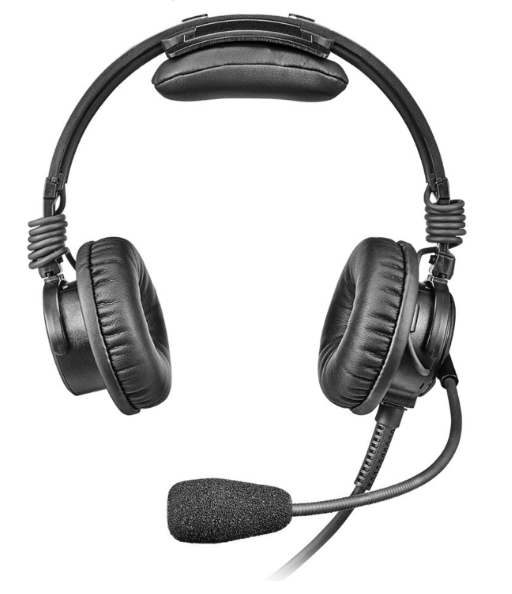
What sets Telex apart
- Very low clamping force: Their slim, on-ear design is made to be worn for full duty days without hotspots.
- Familiar microphone & audio quality: Controllers and pilots alike are used to the sound of Telex headsets; there’s a reason they’re so common on airline flight decks.
- TSO’d models for line use: Popular models in the Airman family are designed to meet airline and regulatory requirements.
- Simple, robust builds: Metal headbands, flexible boom mics, and straightforward controls keep things reliable and easy to use.
From simple passive models to ANR-equipped options like the Airman 8+, Telex headsets are built to be professional tools first, with a big emphasis on reliability and ease of use.
Telex is a great fit if you want a traditional airline-style headset that’s proven, widely accepted by operators, and extremely light on the head.
David Clark: Lightweight Reliability for Jet Crews
David Clark has a legendary reputation in aviation, and their commercial line carries that same rugged reliability into lighter, jet-focused designs. For commercial flyers, two models stand out:
- David Clark PRO-X2 ANR Headset - Bluetooth
- David Clark Jet-X ANR Headset
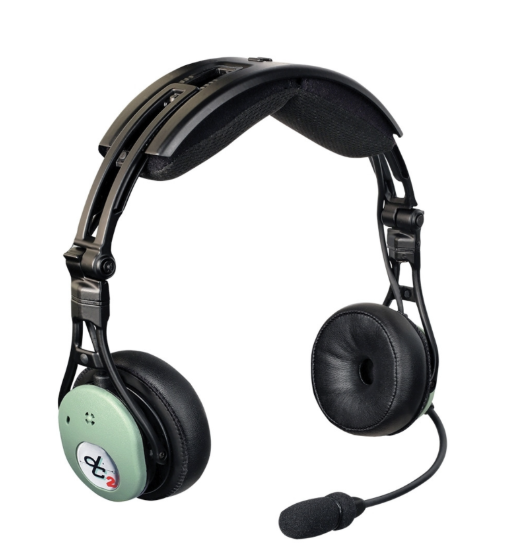
David Clark PRO-X2 – Compact On-Ear ANR
The PRO-X2 is built for quiet cockpits. These are suitable for jet pilots who want a compact, on-ear headset with excellent ANR and David Clark’s well-known durability.
Highlights:
- On-ear form factor: Lighter and less bulky than traditional GA headsets, ideal for quieter cockpits.
- Active Noise Reduction: Smooths out the remaining ambient hum of turbine engines to reduce fatigue.
- Bluetooth connectivity: Tie into EFB devices, phone calls, and audio without adding extra wires across the cockpit.
- Foldable design: Packs small in your flight bag, perfect for commuters and reserve pilots.
If you want a more “traditional headset” feel but in a light, pro-grade package, the PRO-X2 is a strong choice.
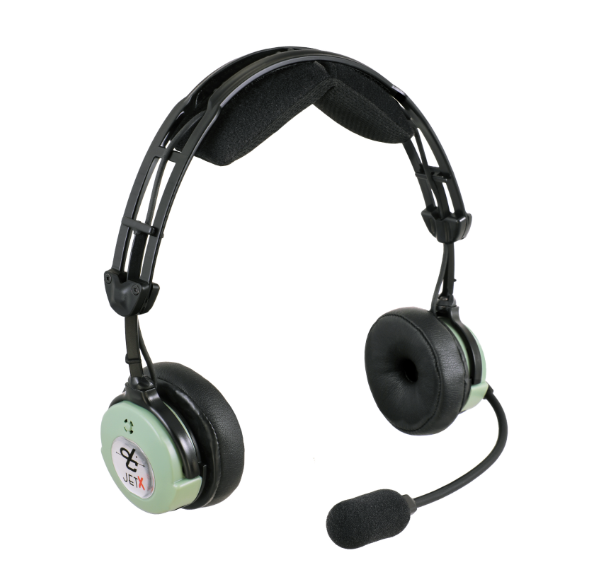
David Clark Jet-X – Full-Coverage ANR
The Jet-X takes David Clark’s experience in high-noise environments and tunes it for very quiet turbine aircraft:
- On-ear cups with ANR: Offers more isolation than most slim on-ear commercial headsets, great in louder business jets or turboprops.
- Very lightweight: Designed so you can comfortably wear it through multiple legs.
- Pro-grade construction: Built to stand up to daily commercial use and constant travel.
Which David Clark should you choose?
- Fly jets/turboprops, and want Bluetooth and more robust protection → PRO-X2
- Fly very quiet cockpits, do not need bluetooth and want a compact size? → JET-X
Either way, both are excellent lightweight commercial options with that signature David Clark toughness behind them.
Bose ProFlight Series 2: The Ultralight Premium Option
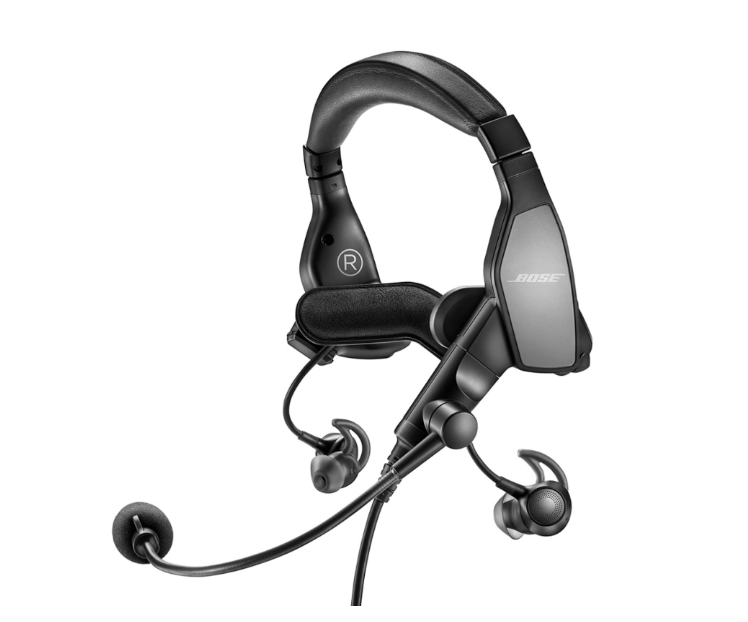
For many airline and corporate pilots, the Bose ProFlight Series 2 is the gold standard for lightweight commercial aviation headsets. It combines Bose’s renowned audio and ANR technology with an incredibly low-profile, in-ear/over-headband hybrid design.
Why ProFlight is so popular with pros
- Extremely low weight
- Multiple ANR modes, so you can tailor how much cancellation you want based on cockpit noise
- Bluetooth connectivity for phones and tablets
- TSO authorization, making it suitable for many airline and Part 135 operations
- Compact carrying case and lightweight cables that make it easy to travel with
For many airline and corporate pilots, ProFlight Series 2 offers the ideal mix of comfort, tech, and professional polish.
If you want top-tier ANR, ultra-low weight, and premium comfort, and your budget allows it, this headset is hard to beat.
Finding Your Perfect Lightweight Headset
Choosing a lightweight commercial headset comes down to how you fly, how long you wear it, and what kind of cockpit you’re in. The good news: today’s commercial headsets are lighter, more comfortable, and more capable than ever.
Whether you lean toward the featherweight simplicity of Clarity Aloft, the airline-standard feel of Telex, the rugged reliability of David Clark’s PRO-X2 and Jet-X, or the premium refinement of Bose ProFlight Series 2, you’ll find a headset at Marv Golden that keeps you comfortable, protected, and clearly connected from pushback to shutdown.