

Posted by Richard G. on Feb 5th 2026
If you’re shopping Lightspeed, you’re already in the right neighborhood: the Zulu line has long been a go-to for pilots who want all-day comfort, clear comms, and strong active noise reduction without feeling like they’re wearing a brick on their head.
But now there’s a real question to answer: do you stick with the proven Lightspeed Zulu 3 ANR Headset, or step up to the newer Lightspeed Zulu 4 ANR Headset?
Let’s break it down by what actually matters in the cockpit.
Quick take
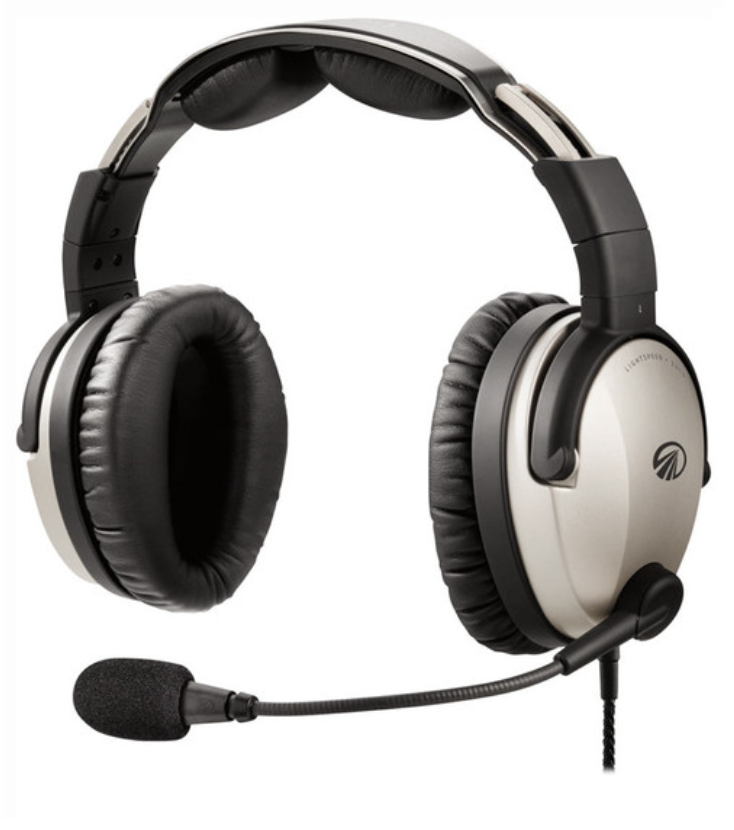
- Choose Zulu 3 if you want the legendary comfort + durability package that’s been a pilot favorite for years, and you don’t need the latest dual-device Bluetooth workflow.
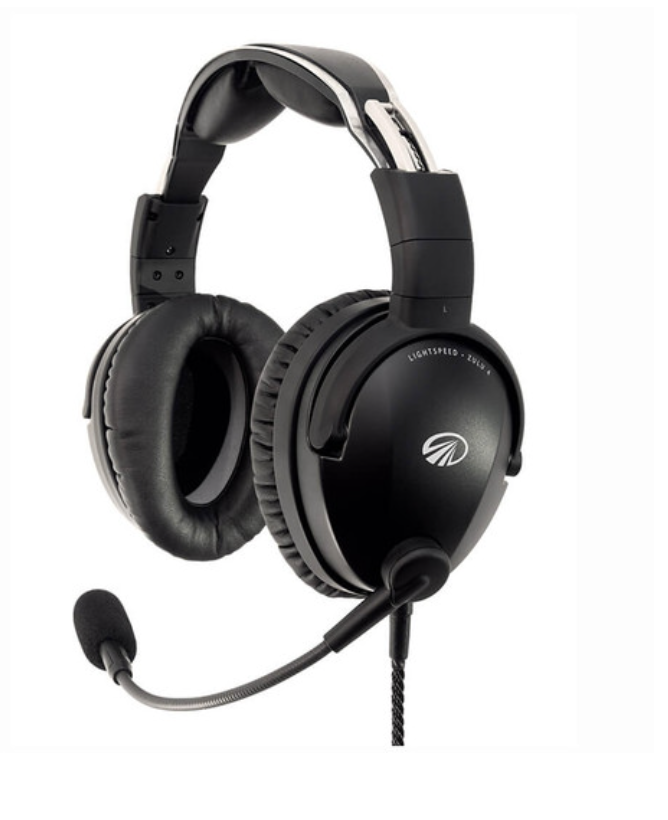
- Choose Zulu 4 if you want Dual Bluetooth, FrameFit™ ear seals for glasses, and AI-enhanced outgoing Bluetooth audio that dramatically reduces background noise on your transmissions.
Comfort & Fit:
where you’ll feel the upgrade first.
Zulu 3: plush, roomy, long-haul friendly
The Zulu 3 was built to disappear on your head. A few reasons it still wins fans:
- Tapered performance ear seals for a natural fit and stability
- Plush ear seals with more surface area to improve sealing around the frames
- Larger ear cup cavity so your entire ear sits comfortably inside
- Low-profile stainless-steel headband that distributes pressure well
If you want a headset that feels premium and broken-in from day one, the Zulu 3 delivers.
Zulu 4: designed for glasses, sunglasses, and hats
Zulu 4 takes comfort and gets more specific about real pilot life: eyewear and headwear. Its FrameFit™ ear seals are designed to seal better around glasses/sunglasses frames for improved comfort and clarity, especially on longer legs. It’s also a low-profile headset, so it stays secure without clamping you into submission.
If you’re a frequent glasses-wearer, Zulu 4 is the stronger choice: Zulu 4.
Noise Reduction & Clarity
Both headsets deliver strong ANR performance and are designed to help reduce fatigue in louder GA cockpits.
Where the Zulu 4 separates itself is in Bluetooth voice quality: Lightspeed highlights AI-enhanced outgoing audio that cuts up to 90% of background noise on transmissions sent via Bluetooth, meaning clearer calls/recordings/connected-audio scenarios when you’re not strictly panel-mic-only.
Meanwhile, Zulu 3 remains excellent for clear and intelligible comms, supported by Lightspeed’s Dual Aperture Disc microphone design and overall audio tuning.
Bottom line: you won’t choose wrong here, both are built for real GA cockpit noise.
Bluetooth & App Features
Zulu 3: great Bluetooth, single connection
Zulu 3 gives you Bluetooth connectivity for calls, music, and app alerts, plus useful tools like:
- FlightLink compatibility for recording comms with the FlightLink app
- Integrated auxiliary input in the control box
- ComPriority™ to lower music/audio automatically when the radio/intercom comes in
- Auto Shutoff™ to save battery
Zulu 4: Dual Bluetooth, no juggling devices
Zulu 4 introduces Dual Bluetooth®, letting you connect two devices simultaneously, ideal if you run an iPad + phone setup and don’t want to constantly re-pair or pick which device gets priority.
It also ties into the Lightspeed Aviation App for recording incoming/outgoing audio, playback, diagrams, and archiving, clean and simple for training and post-flight review.
If you’re heavily tablet/app-driven, Zulu 4 feels built for your cockpit.
Durability: both are built for years of use
Neither headset is fragile. Both lean into stainless steel and magnesium, and both use rugged cabling with a Kevlar core for strength without extra weight.
Mic Boom & Cable Flexibility
This is where Zulu 4 quietly improves day-to-day use:
- Zulu 3 note: The mic boom does not fully rotate to enable right-sided cable use.
- Zulu 4 upgrades: a 10% longer mic boom (does not fully rotate), longer upper cable, and more flexible power supply options, all aimed at making fit and routing easier.
Warranty
Both Zulu 3 and Zulu 4 are backed by a 7-year limited warranty, which is among the best in aviation headsets.
Which should you buy?
Choose the Lightspeed Zulu 3 if:
- You want a proven favorite with top-tier comfort and strong ANR
- You like having mic gain control for multi-headset environments
- You don’t need dual-device Bluetooth
Choose then Lightspeed Zulu 4 if:
- You wear glasses/sunglasses often and want a better seal + comfort
- You want Dual Bluetooth for a phone + tablet setup
- You care about cleaner Bluetooth voice audio (AI-enhanced outgoing noise reduction)
- You want the newest, most advanced Zulu experience
Note: Neither the Lightspeed Zulu 3 nor the Zulu 4 has TSO authorization. Technical Standard Orders (TSO) are FAA performance standards for equipment used in aircraft. There are specific certifications that are required for Aviation Headsets used in most Commercial Aircraft, especially Part 121 Operators. The result is that these pilots must use a TSO-certified Aviation Headset. If you are flying General Aviation, this is not an issue.
Pair it with the right gear
Whichever Zulu you choose, you can keep it feeling new with replacement ear seals, refresher kits, and other Lightspeed extras, easy to pair while you shop the full Lightspeed Aviation collection.
And if you’d like a broader view beyond Lightspeed, Marv Golden’s headset selection is a solid starting point.