

Posted by Richard G. on Mar 11th 2026
Airplanes may capture attention in the sky, but it takes skilled mechanics on the ground to keep them safe, reliable, and ready for every flight. Behind every safe departure is a skilled aviation maintenance professional who knows how to inspect, troubleshoot, repair, and sign off on critical aircraft systems. If you are drawn to aviation but see yourself working with tools, systems, and problem-solving rather than sitting in the cockpit, becoming an airplane mechanic can be an incredibly rewarding path.
In this guide, we’ll walk through what it takes to become an airplane mechanic, the training required, what certifications matter, and how this career can open the door to a rewarding future in aviation. Whether your goal is to work for a major airline, a repair station, or in general aviation, the path starts with understanding the training, testing, and certification process.
Whether you’re just exploring the field or ready to begin training, your path to the hangar starts here.
What Is an Airplane Mechanic?
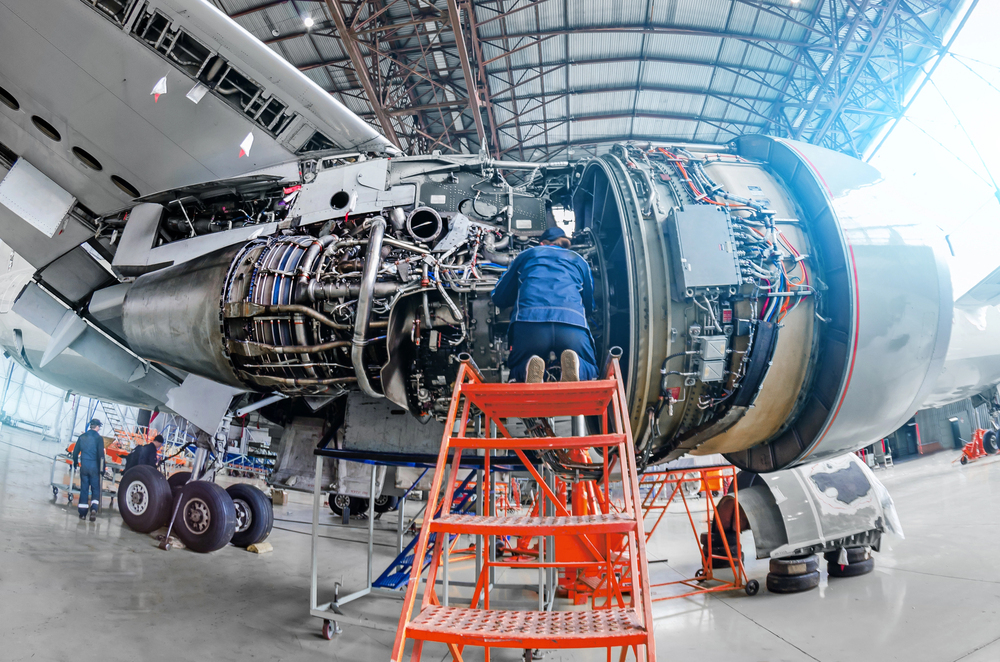
An airplane mechanic, also known as an Aviation Maintenance Technician (AMT), is responsible for inspecting, repairing, and maintaining aircraft to ensure they meet strict safety and performance standards. These professionals work on engines, electrical systems, hydraulics, landing gear, avionics support components, and more.
For many aviation enthusiasts, this career offers the chance to stay close to the action without stepping into the cockpit. It is a hands-on profession that combines technical knowledge with the satisfaction of keeping aircraft airworthy and flight-ready.
FAA Certifications You’ll Need
To work as a certified airplane mechanic in the United States, most candidates pursue an Airframe and Powerplant certification, commonly known as an A&P license. The two portions of the test include:
Airframe
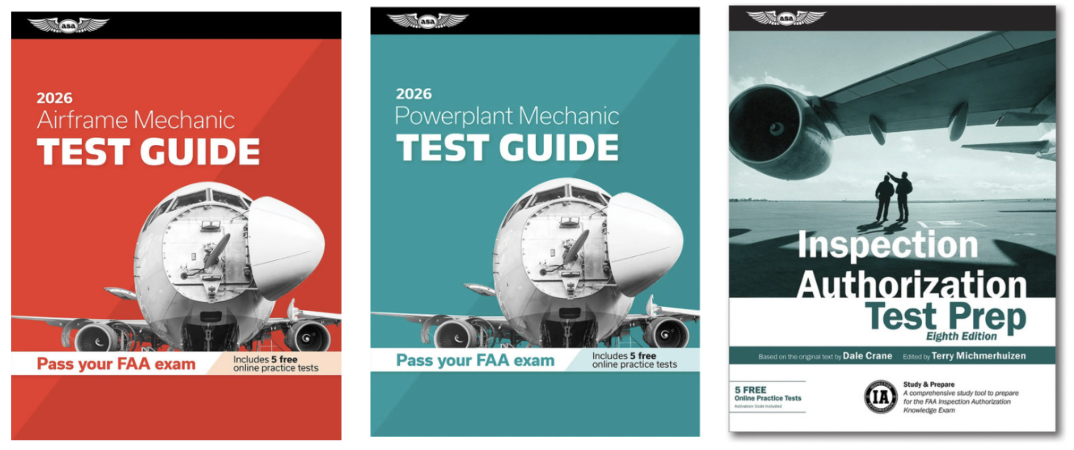
The Airframe rating allows you to work on the structural components of an aircraft, including the fuselage, wings, landing gear, and systems not related to the engine. For students preparing for this portion of the certification process, the ASA Aviation Mechanic Test Guide: AMT Airframe is a helpful study resource that can fit naturally into your training plan.
Powerplant
The Powerplant rating covers aircraft engines and related systems. With both ratings, you become fully qualified to work on most parts of an aircraft. If you are preparing for the engine-related portion of the exam, the ASA Aviation Mechanic Test Guide: AMT Powerplant is a practical resource to add to your study lineup.
Honorable Mention: Inspection Authorization (IA)
After gaining experience as an A&P mechanic, some professionals choose to pursue an Inspection Authorization (IA). This is an advanced, optional rating that allows mechanics to approve major repairs and alterations, as well as perform annual inspections. For those planning to expand their qualifications, the ASA Test Prep: Inspection Authorization is a natural resource to include in a long-term study plan.
If you’re ready to start preparing, explore A&P mechanic training materials and study resources to build a strong foundation.
Steps to Become an Airplane Mechanic
1. Meet the Basic Requirements
To qualify for FAA certification, you generally must be at least 18 years old and able to read, write, speak, and understand English.
2. Complete Approved Training or Gain Experience
There are two common routes to becoming an airplane mechanic:
Attend an FAA-Approved AMT School
For many aspiring mechanics, the fastest and most structured path is enrolling in an FAA-approved Aviation Maintenance Technician School. These programs typically take about 18 to 24 months and are designed to prepare students for certification and entry-level work in the field.
Gain Practical Experience
Some candidates qualify by working under supervision in aviation maintenance for a required period of hands-on experience. In general, you will need 18 months of practical experience for either the airframe or powerplant rating, or 30 months for both. Some military aviation experience may also count toward these requirements.
3. Pass the FAA Exams
After meeting the training or experience requirements, the next step is passing the FAA testing process. You’ll need to pass written, oral, and practical exams. Together, these tests evaluate your understanding of aviation maintenance knowledge, regulations, and hands-on skills.
Career Opportunities and Salary Potential
After earning your A&P certification, you can pursue opportunities with major airlines, cargo carriers, repair stations, manufacturers, and general aviation maintenance shops. Some people also enter the field through aviation-adjacent roles like line service or ramp work, then build experience and industry connections from there.
Salary potential can be strong, especially as you gain experience. Airplane mechanics in the U.S. earn about $75,000 to $79,000 per year on average, or roughly $34 to $36 per hour. Entry-level mechanics often start around $50,000 to $65,000 annually, while experienced A&P mechanics at major airlines and cargo operators can earn $90,000 to $120,000 or more. In senior roles, total compensation can climb even higher with overtime, shift differentials, and bonuses.
Pay can vary based on employer, location, and certifications. Major airlines and cargo carriers tend to offer the highest earning potential, while general aviation shops may offer slightly lower pay but excellent hands-on experience for those starting out.
Start Your Aviation Maintenance Career
Becoming an airplane mechanic is more than learning how aircraft work. It is about becoming a trusted part of aviation safety and reliability. With the right training, FAA certification, and dedication to the craft, you can build a meaningful career that keeps the aviation industry moving.
If you’re ready to begin, investing in the right study tools and training resources is the first smart step toward earning your A&P certification and launching your future in aviation.