

Posted by Richard G. on Mar 24th 2026
Aviation is no longer limited to the cockpit of an airplane. For many aspiring aviators, drones have opened a new path into flight, one that blends technology, skill, and opportunity. Whether you want to capture aerial photography, inspect property, support agriculture, or launch a commercial drone business, becoming a drone pilot is your first step toward taking that passion to new heights.
In this guide, we’ll walk through what it takes to become a drone pilot, from understanding the FAA requirements to preparing for the knowledge exam and maintaining your certificate. Just like any aviation goal, the process is straightforward when you know the route ahead. The sky may look a little different from the ground station, but the sense of adventure is every bit the same. If you’re ready to launch your journey, here’s what you need to know.
What Is a Drone Pilot?
A drone pilot, also known as a remote pilot, is someone authorized to operate a small unmanned aircraft system (sUAS). If you plan to fly a drone for work or compensation in the United States, you generally need an FAA Part 107 Remote Pilot Certificate.
Earning this certificate shows that you understand the rules of the airspace, safe operating practices, weather, airport procedures, and the responsibilities that come with flying a drone professionally. It allows you to legally conduct commercial drone operations, opening the door to industries such as real estate, mapping, photography, inspections, and more. For many, it is the aviation credential that turns a hobby into a profession.

Eligibility Requirements for a Remote Pilot Certificate
Before you begin your journey, you’ll need to make sure you meet the FAA’s basic requirements. To qualify for a Part 107 Remote Pilot Certificate, you must:
Be at Least 16 Years Old
Drone pilots must be at least 16 years old to apply. This makes drone aviation one of the most accessible entry points into the broader world of flight.
Be Able to Read, Speak, Write, and Understand English
Because aviation depends on clear communication and safe operations, applicants must be able to understand English.
Be Physically and Mentally Fit to Operate a Drone Safely
You do not need a medical certificate like many airplane pilots do, but you must be in a condition to safely control your aircraft.
How to Get Your Drone Pilot Certificate
Once you meet the eligibility requirements, it’s time to start training and preparing for the FAA exam.
Study for the Part 107 Knowledge Test
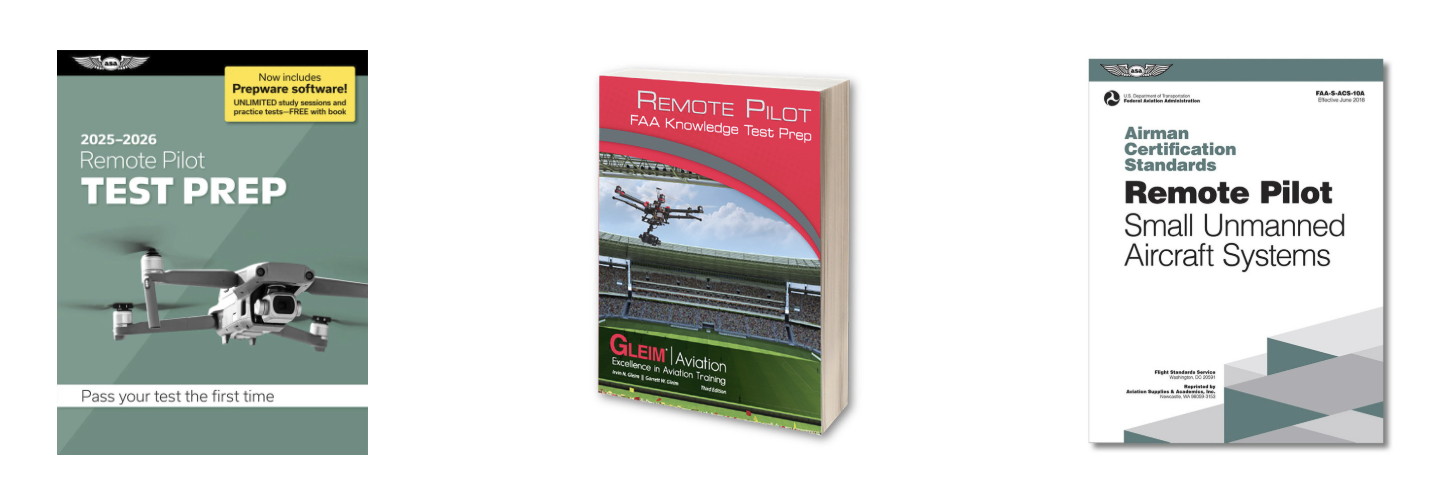
Your first major step is preparing for the FAA Unmanned Aircraft General exam. This written test covers topics like airspace, weather, regulations, loading, and emergency procedures. A solid place to begin is by exploring drone pilot training materials, along with trusted study tools like ASA Test Prep Remote Pilot UAS with Prepware and Gleim Remote Pilot FAA Knowledge Test prep.
Learn the FAA Standards
It also helps to study the ASA ACS Remote Pilot UAS Airman Certification Standards, which outline the knowledge and skill areas remote pilots are expected to understand.
Pass the FAA Exam and Complete Your Application
After studying, you’ll take the knowledge test at an FAA-approved testing center. The test costs $175. Once you pass, you can complete your application through IACRA and receive your Remote Pilot Certificate.
Remote Pilot Certificate
After passing the knowledge test, you complete your application through the FAA’s IACRA system. From there, the TSA will conduct a background security review. Once approved, you’ll receive a temporary certificate, followed by your permanent Remote Pilot Certificate.
At that point, you are officially ready to act as a remote pilot in command for Part 107 operations.
How Long Is a Remote Pilot Certificate Valid?
A Part 107 Remote Pilot Certificate itself is permanent and does not expire. However, that does not mean you can ignore ongoing requirements.
Staying Current Every 24 Months
To legally exercise the privileges of your certificate, you must maintain currency by completing the FAA’s free online recurrent training every 24 calendar months. If you miss that window, there is no grace period; you are immediately unable to act as pilot in command for commercial drone operations until the training is completed.
In other words, the certificate stays with you, but your operating privileges depend on staying current.
A New Way to Take Flight
Becoming a drone pilot is one of the most accessible ways to enter the world of aviation. With the right preparation, the right study materials, and a commitment to learning FAA regulations, you can build valuable skills and open the door to a wide range of professional opportunities.
From your first study session to your first paid flight, every step brings you closer to a new perspective on aviation. The skies are changing, and for drone pilots, the future is already here.